Why are adults less motivated to buy long-term care insurance?
Planning human language
With the aging of population in China, medical expenses and nursing expenses inevitably increase, and the demand for long-term care insurance is huge. However, the guaranteed commercial nursing insurance still faces a "niche" situation. Commercial insurance companies are duty-bound to intervene as market forces. On the one hand, the government can make full use of existing social resources; On the other hand, insurance companies can give full play to their unique advantages in business management, risk prevention and service network.
Facing the challenge of aging population, improving the quality of life of the elderly has become one of China’s basic national policies. The "2017 China Long-term Care Survey Report" (hereinafter referred to as the "Report") recently released by insurance association of china shows that adults have weak motivation to buy long-term care insurance.
There is a big gap in long-term nursing service.
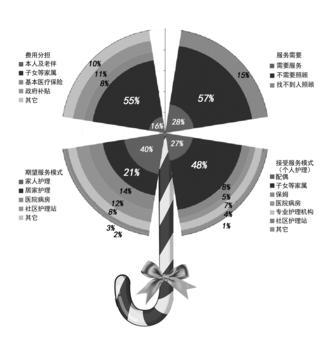
According to the analysis of the Report, middle-aged and elderly people are faced with the problem of double lack of nursing service and security supply, which leads to the service burden and economic risks concentrated in the families of the elderly, especially their children. When the elderly are over 70 years old, on the one hand, their self-care ability drops significantly, on the other hand, there is a shortage of suitable professional nursing resources and the service gap expands. At present, the gaps in professional services are mainly filled by family members, especially children. The risk of "very old" elderly people over 80 years old not being cared for continues to rise, and among the people who are cared for, family-style non-professional services taken care of by spouses and children account for 27% and 48% respectively. At the same time, there are three kinds of services: personal care, life care and basic medical care. Low-intensity services need to be over-satisfied, and high-intensity services have a big gap.
In addition to service needs, the nursing expenses of middle-aged and elderly people have increased significantly, and most of the burden falls on children. Especially for the disabled elderly who spend too much, the nursing burden and economic burden borne by their families are worrying. Old people of different ages also show different characteristics in the gap of nursing service. Younger elderly people focus on home professional care, low-intensity personal care services and high-intensity life care and basic medical care services, while the gap between the elderly, especially those over 80 years old, is wider and higher, including home care, institutional care and high-intensity personal care, life care and basic medical care services.
Cognitive misunderstanding hinders the development of long-term insurance
If the disability status and nursing service of the elderly determine the starting point of China’s long-term nursing system, then the demand of adults for nursing service and security will affect the future development direction of the system. At present, most adults have realized the importance of nursing planning, but they are full of confusion about how to plan. At the same time, the growing demand for professional nursing services, the economic burden brought by service fees and the concern and worry of adults about nursing problems have created fertile soil for the development of nursing security system.
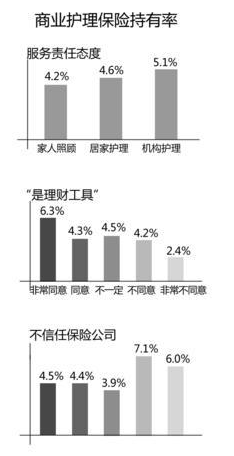
About 11% of the adults surveyed bought commercial long-term care insurance. However, after excluding the savings and wealth management products with cash return function, the population coverage rate of guaranteed commercial nursing insurance dropped significantly to below 5%. There is no public statistical data on the market share of guaranteed and savings-based nursing insurance. Some people in the insurance industry believe that this figure still seriously overestimates the proportion of guaranteed products. This objectively reflects the current situation of "emphasizing financial management, saving and weak security" in China’s commercial nursing insurance market.
The survey found that China’s guaranteed commercial nursing insurance has the characteristics of "minority". At present, the customer base is concentrated in the young and middle-aged, with high wealth, full self-protection and preference for professional nursing services. There are misunderstandings in adults’ understanding of the function of nursing insurance: as a risk protection tool, nursing insurance replaces medical insurance and critical illness insurance to some extent; As an investment and savings tool, it replaces other wealth management products; As a tool for raising expenses, it replaces real estate. With the change of family structure and intergenerational relationship, the inheritance of real estate is weakening, and its function in raising funds for the aged is strengthening. 33.6% adults surveyed are willing to sell their property to pay for nursing expenses, and these people have weak motivation to buy nursing insurance.
Focus on the special needs of the elderly
It is urgent to make up for the double deficiency of nursing service and guarantee supply for the elderly, and it is timely to carry out the pilot project of long-term care insurance system in China. Based on the results of investigation and analysis, the Report puts forward specific policy suggestions on the construction of long-term care system in China.
The Report pointed out that while promoting the construction of the security system, it is urgent to develop a professional nursing service system, especially a service system suitable for middle-aged and elderly people. When establishing a long-term care system, we should pay full attention to the special needs of different elderly people.
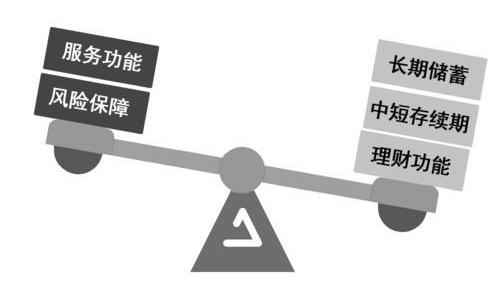
Objectively speaking, the implementation of the pilot policy of long-term care insurance will strengthen the role of the government-led care security system in people’s minds, so it may "crowd out" commercial care insurance in the short term. However, the pilot will also increase people’s awareness of long-term care risks, and create a favorable development environment for commercial care insurance by establishing evaluation standards and cultivating service systems. Social insurance is based on the principle of "basic insurance", and the gap between the actual security needs and the level of social security will inevitably promote the development of commercial nursing insurance. The commercial insurance industry should make good use of this "gestation period" to change the situation of low population coverage in the commercial nursing insurance market, and change the pattern of "emphasizing financial management and weak protection" for products, so as to prepare for the release of nursing insurance demand.
Source: 2017 China Long-term Nursing Survey Report by China Insurance Association.