
The PC market is very lively these days.
Apple released the first MacBook Air with M3 chip in the form of a press release, and declared that it was "the world’s best consumer laptop for AI" and ran into the AI PC track.
Since the birth of computers, Microsoft and Apple have been old enemies. In the AI era, the two giants pointed their fingers at Maimang. Microsoft and Apple have successively entered the $3 trillion club in terms of market value, and you are chasing after me. At the same time, Microsoft is determined to win the highest voice on AI PC. At the software system level, Microsoft has the trump card of OpenAI, and Copilot launched at the application level has become a global top-stream AI model application. Today, Microsoft’s first AI PC hardware is coming.
After being cut off by Apple, Microsoft’s first AI PC came.
According to the exclusive news of Windows Central, Microsoft will release a new generation of Surface Pro(Surface Pro 10) and Surface Laptop(Surface Laptop 6) on March 21st, 2024. As the first "AI PC" in Microsoft hardware, these two new Surfaces will be the first devices in the market to support Windows 11 "Next Generation AI", which shows that Microsoft attaches importance to these two new Surfaces.
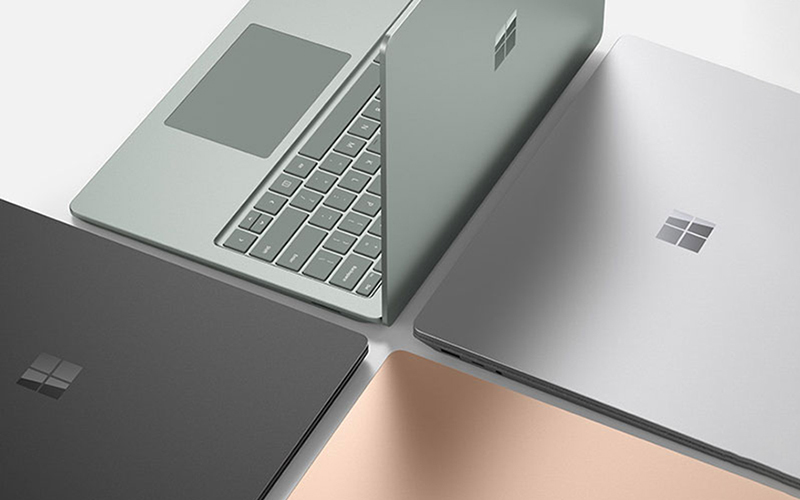
Image source: Microsoft
Although Microsoft has not announced the specific configuration of these two new computers, considering that Microsoft has repeatedly emphasized the AI performance of these two hardware, it is not difficult to guess the hardware configuration of these two computers:
As the benchmark of Microsoft notebook computers, Surface Laptop 6 and Surface Pro 10 will use the latest Core Ultra processor like other AI PC with high probability. Considering the memory requirements of NPU and Arc Graphic, Surface is expected to break away from the era of 8GB RAM and set 16GB memory as the initial configuration of Surface Laptop 6 and Surface Pro 10.
Considering the overall design idea of this year’s notebook computer, Surface Laptop 6 may also switch to a narrow border design, and follow the new specification of Microsoft, and change the Windows logo key on the right side of the keyboard to the Copilot key.
In addition, Microsoft also mentioned that these two computers will have "comparable performance to iPad Pro and MacBook Pro", and we can’t rule out the possibility that Microsoft will introduce ARM based processors into the Surface Laptop product line. In connection with Microsoft’s "platform" behavior for the X Elite processor during the Snapdragon Summit in 2023, it is not difficult to see that X Elite will also appear in the Surface series sooner or later.
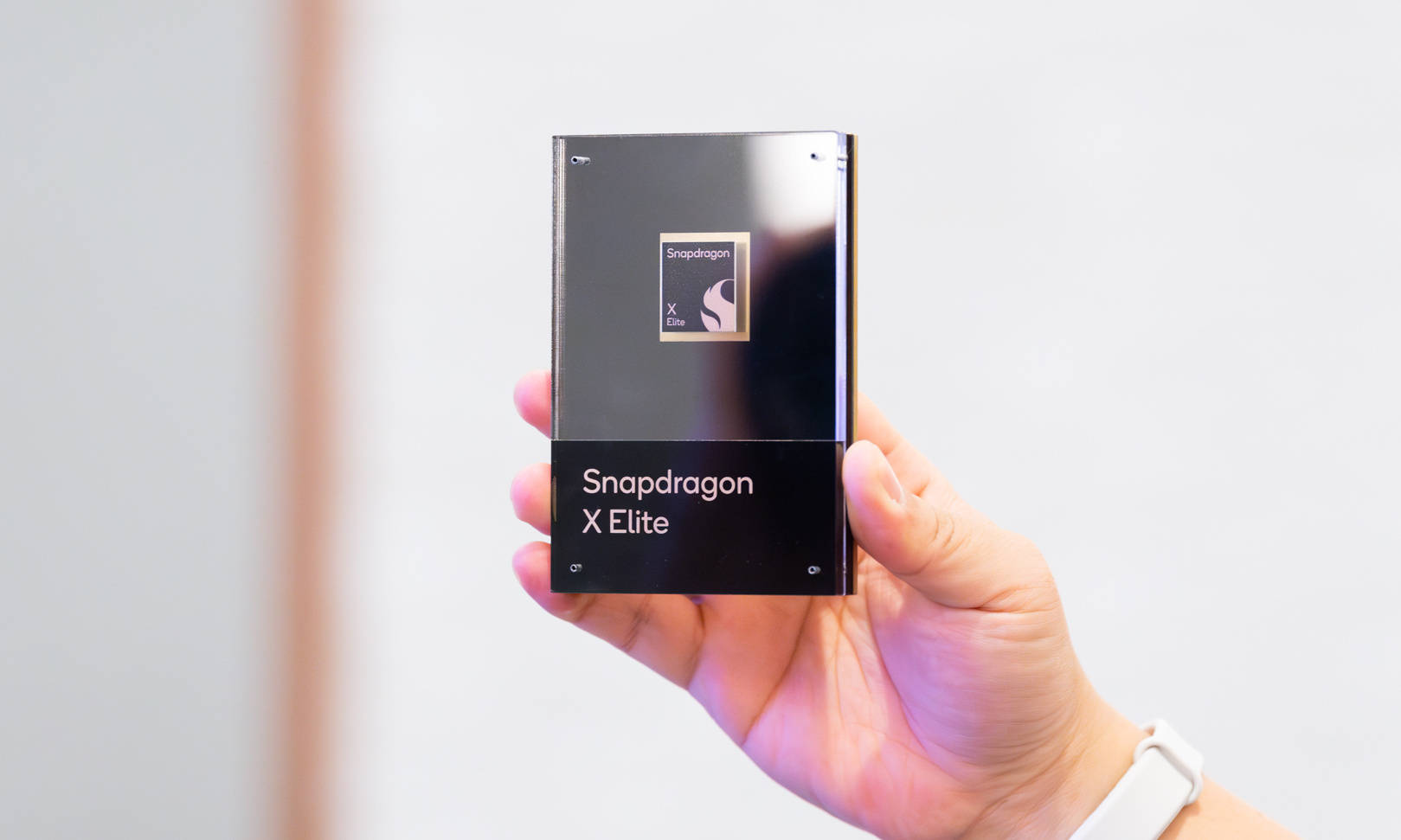
Image source: Lei Technology
However, according to Qualcomm’s schedule, the X Elite version of Surface may not be available until the middle of the year. In the case that the ARM based system itself needs additional adaptation, can the X Elite version of Surface, which has lost its first-Mover advantage, overtake Ultra in AI applications? This question needs to be answered by Microsoft and Qualcomm.
If the release dates of Surface Pro(Surface Pro 10) and Surface Laptop(Surface Laptop 6) are really like March 21st, then we have reason to believe that Apple’s eagerness to release the MacBook Air M3 chip version may be a "cut-off". If it is released until the spring conference, Apple’s AI PC Virgo may "crash" with Microsoft’s original AI PC.
This reminds Xiao Lei of the way in which in 2023, a few days before the release of Vision Pro, the cheaper and more mature Quest 3 was first released. Afterwards, Andrew Bosworth, Meta CTO, said that the company "chose to release Quest 3 in June" based on consumers’ shopping habits instead of worrying about Apple’s competition-I believe you are a ghost. It can only be said that the business war of the giants is so unpretentious.
AI hardware is surging, and more and more people are making up for it?
On the other hand, even though X Elite and Ultra processors are fundamentally different in architecture, considering that both platforms have NPU for running local AI, Microsoft’s AI applications are still at the application layer at present, and Microsoft has mentioned on many occasions that its AI is a "mixed model" (local+online model), Lei boldly guesses here that the comprehensive performance of the AI applications launched by Microsoft in the future will not be much different between the two platforms.
Then the question follows: since most AI applications are still at the application layer at this stage, does it mean that as long as the PC can provide sufficient computing power and drive specific AI application layer use cases, this PC can be regarded as an AI PC?
Or in a more refined language: where is AI PC?
I know, this question looks very simple: the computer that can use AI is naturally AI PC. However, as far as the current progress of the AI industry is concerned, the development progress of hardware and software in the AI field does not match: as early as 2016, the AI model was applied to mobile phone images, and the AI technology applied to PCs can be traced back to Watson launched by IBM in 2011.
OpenAI, which became famous overnight because of ChatGPT, also used "traditional PC hardware" to develop an AI model that caused Internet giants to "panic". Can these HPC clusters that develop and run the latest AI models be called AI PC?
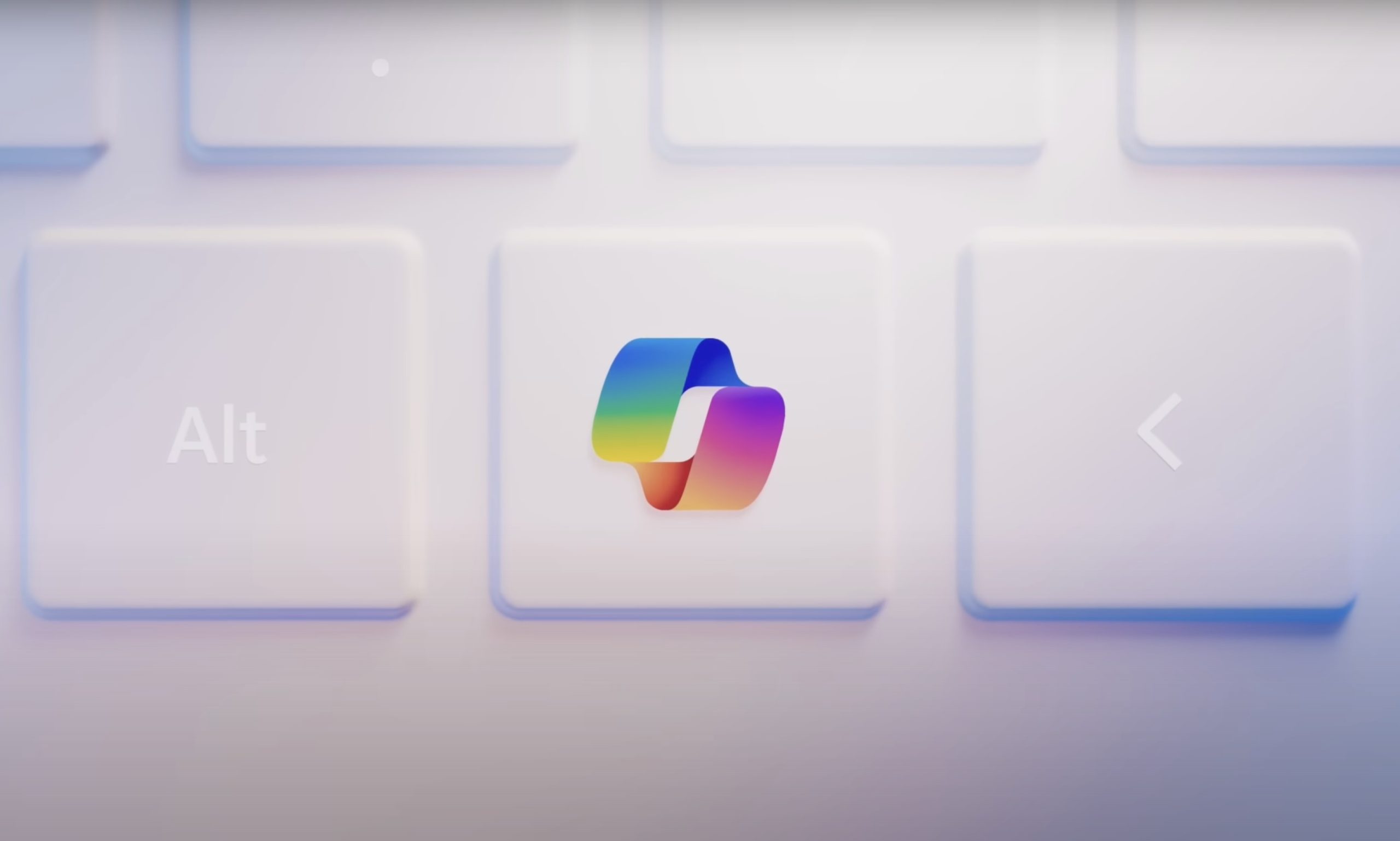
Image source: Microsoft
Different from the "5G mobile phone" and "game notebook" determined by hardware differences, all kinds of AI use cases that stay at the application layer decouple the "AI use case" from the "hardware" to a certain extent: AI use cases do not need to pay attention to the computing power from HPC cluster, Tensor or CUDA core, NPU or remote high-performance server, so long as the model can run smoothly, this device can be regarded as the so-called "AI device".
Obviously, this way of distinguishing "AI devices" depending on whether the device can run the AI model will bring many problems: brands no longer need to devote themselves to research and development, as long as they change the name of the machine learning algorithm around 2010, they can openly call themselves "AI devices".
Take mobile phone brands as an example. Some brands just rename the new features provided by Android system every year. What’s more, only the simplified model of speech recognition is imported into the device locally, and then all the instructions of users are thrown to the HPC cluster running the AI language model at the far end, and then they flaunt their AI capabilities.
This is also the reason why I have always hated the name "AI device": as long as the model is concise enough, any hardware with basic computing power can be called "AI device". When all devices can be called AI devices, "AI" will be completely reduced to marketing vocabulary like graphene, quantum and metauniverse.
This is obviously not the AI era we want to see.
AI hardware is imperative, what is the real AI PC?
In my opinion, if we really want to expand the influence of AI in digital products, we should replace AI model with AI use cases: shift the definition standard of whether it belongs to "AI hardware" from whether it owns exclusive hardware and runs AI model to "whether AI can bring new experiences".
On the mobile phone, we should no longer worry about whether the speech recognition function of the mobile phone input method uses a brand-new AI model, but focus on whether this "black box" (users don’t need to know the running logic behind it) can bring users a brand-new experience, such as learning users’ phonemes locally and answering calls for users with simulated user’s original voice.
We don’t need to pay attention to whether the AI model of a Wensheng graph is a device-side machine learning model or a remote server model. Instead, we pay attention to how this model can be integrated into the daily application of mobile phones in a functional way, such as automatically generating and replacing wallpaper according to the user’s text description.
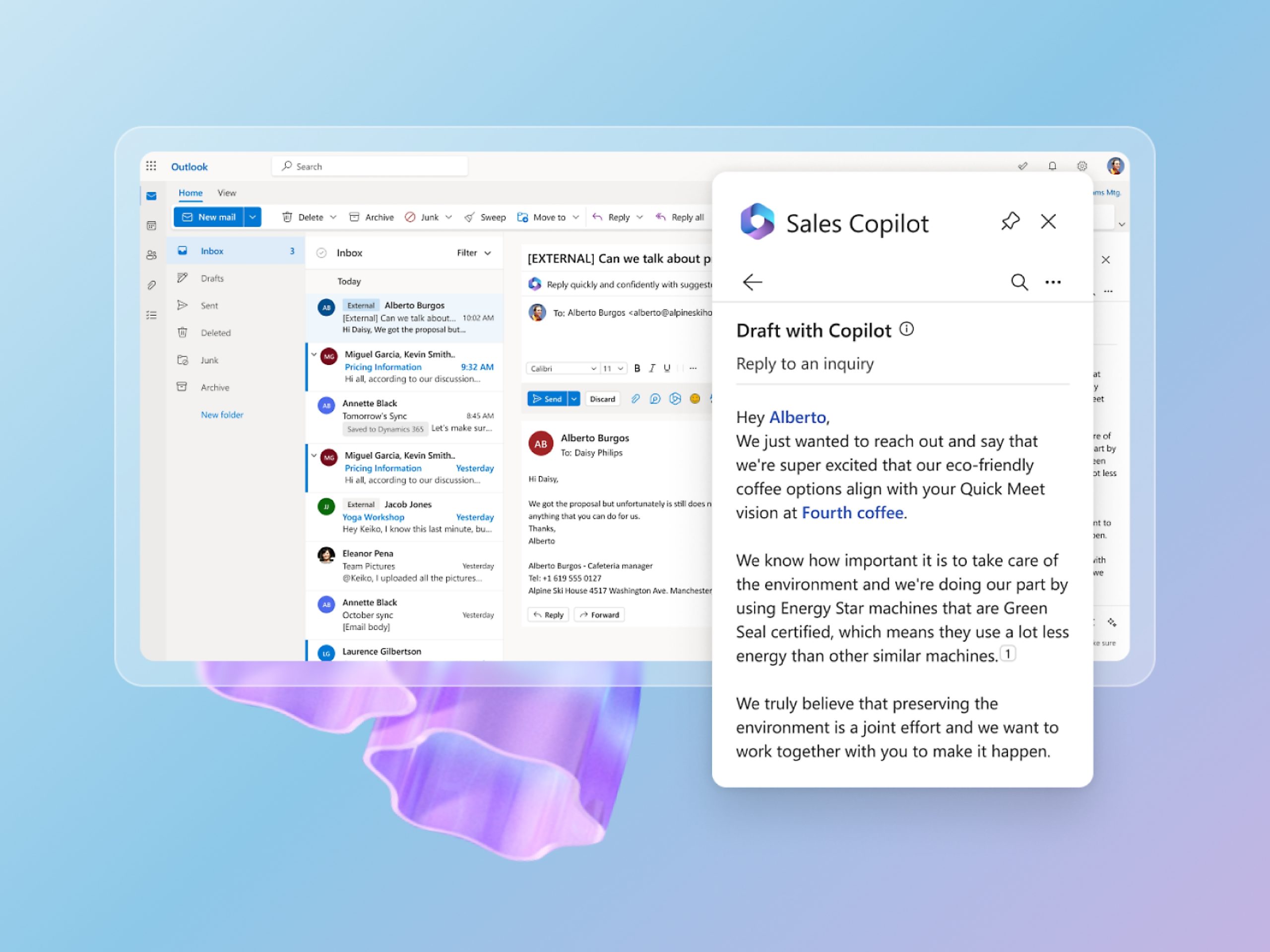
Image source: Microsoft
The same is true for AI PC. Take Microsoft’s Copilot as an example. Traditionally, users need to tell the computer which tasks to perform through specific commands or clicks. However, with Copilot, computers will be able to participate in the workflow more actively, and predict and execute tasks in advance by understanding users’ intentions and habits. For example, when dealing with documents, Copilot can automatically put forward suggestions for improvement based on users’ past editing habits, and even help write and organize content.
In addition, Copilot can greatly improve the efficiency of information retrieval and management. Copilot can quickly extract key information from different data sources and make intelligent summaries for users. This is undoubtedly a great boon for professionals who need to deal with a lot of information. In the daily file management, Copilot can also help users organize and search files more effectively, and can quickly locate or classify documents through language instructions, which greatly saves time and energy.
In other words, the focus of "AI hardware" should not be what hardware can do, but what computing power and access port hardware can provide for local, cloud or hybrid models running on devices, and what future AI hardware is allowed to achieve. Computer technology, including AI, is a process of continuous self-denial and iteration, which means that the software strongly bound to equipment has fallen behind the industry since its release.
In other words, only by "platformizing" computing power can AI equipment catch up with the ever-changing AI era.
Zhao Ming, CEO of Glory, once shared Glory’s views on AI mobile phones in media interviews. I think the views are worth learning from all brands that emphasize their "AI device" attributes at this stage:
I think many manufacturers have great misunderstandings about AI mobile phones. Many people call the ability to provide generative AI on mobile phones AI phones. What is the core provided by mobile phones equipped with generative AI? Calculate power. As long as you provide the computing power, this program can have a variety of massive applications through the computing power of your platform. The ability of this generative AI should be a variety of applications provided by many AI service providers in the future.
I can link AIGC to ask a few questions in my notebook, "Write me a novel", and it becomes an AI notebook? You just provided a platform and display for calculating power and taking notes.

关于作者