Original Bund Jun Bund TheBund
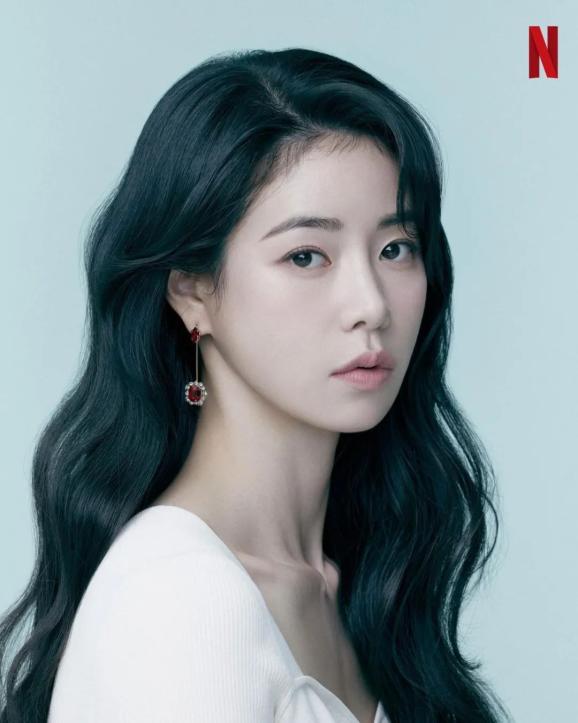
Yanzhen is vicious.
But I want to have all her models.
"Dark Glory" has been screened, and the evil girl Yan Zhen is also on fire.
Unlike Song Hye Kyo, the tough and distressing heroine, Yan Zhen is an out-and-out villain, from the beginning to the end.
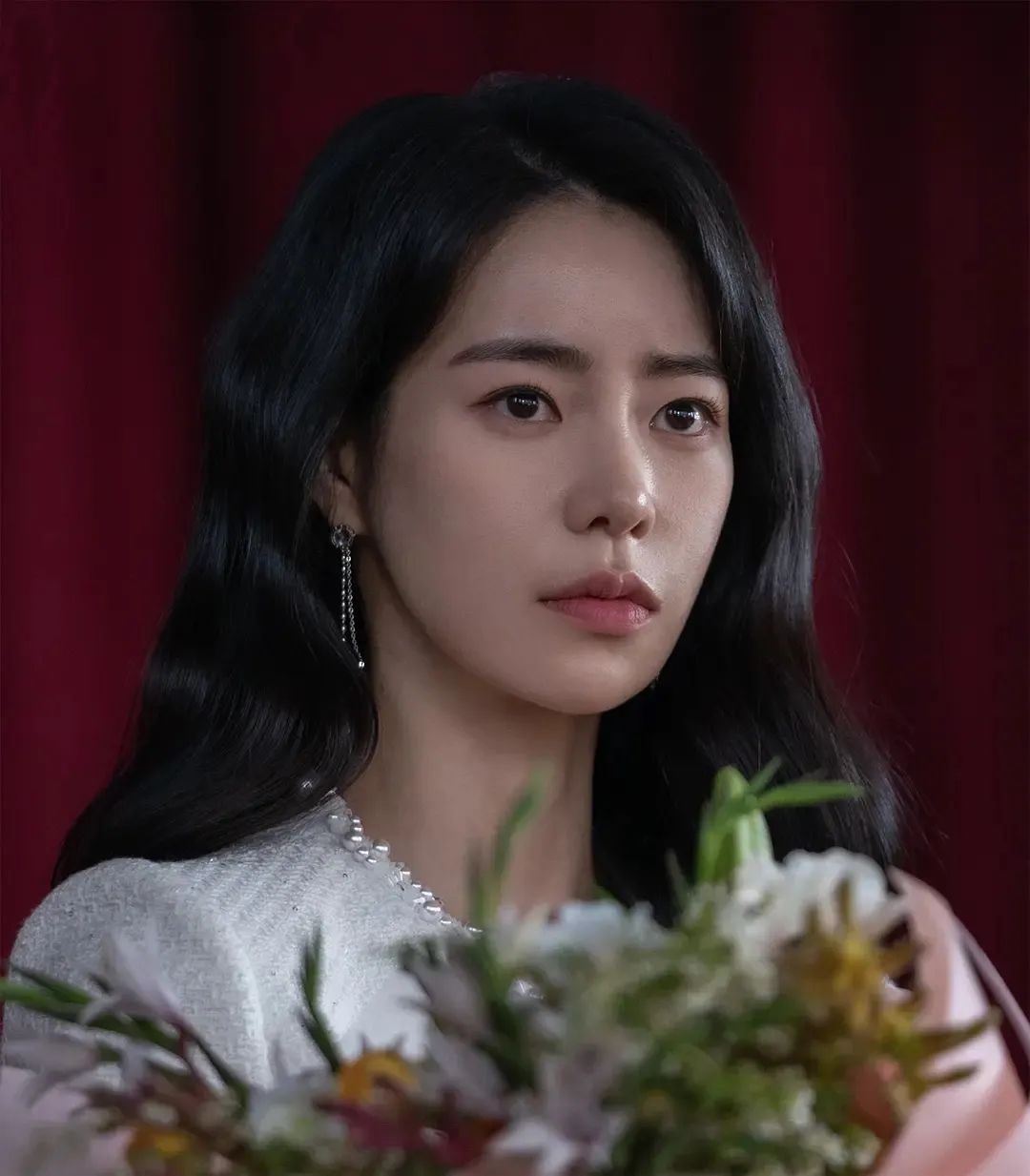
She is a rich girl and the number one fan of school violence. She bullies female students from ordinary families, beats them, humiliates them and even burns them with red-hot curling irons.
When she grew up, she married into a rich family and became a weather anchor. In private, she still kept her vicious nature, biting the audience in front of the screen many times.
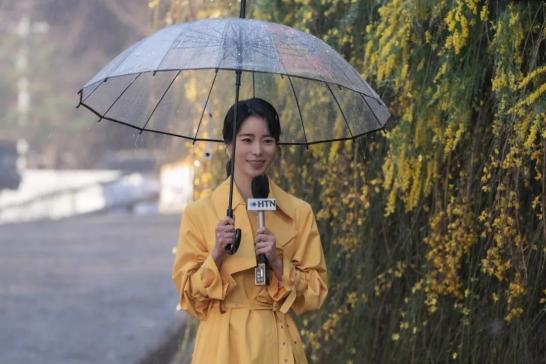
But it happened that it was such a villain that his popularity was almost higher than that of Song Hye Kyo. After the play was over, everyone was still immersed in the "Yan Zhen literature" of "Yan Zhen Na".
On the one hand, the actor’s acting skills are incisive, which makes the bad guys quite emotional. On the other hand, I have to admit that Yan Zhen, a femme fatale, is very good at wearing.
She contributed several sets of chaebol celebrities look in the play, which makes people can’t help but sigh: Yan Zhen is vicious, but it is really beautiful.
Unlike the kind of intellectual style that is deliberately collected, low-key and restrained, she shows a more flamboyant beauty, with a strong gas field and a little wayward and rebellious.

Because people are rich women, her furniture and wine are also in good taste.
But in real life, not all of them are big names, and even some of them can be bought for hundreds of dollars.
For us ordinary people, many details provide inspiration worth learning.
01
Tweed suit
Celebrity’s favorite
The essence of Yan Zhen’s clothes is her various tweed suits.
As Chanel’s iconic design, tweed is simply a standard for celebrities, and the upper body is expensive. In recent years, Korean dramas are very fond of this kind of clothing when creating a sense of giants.

As for how to wear it on what occasions, it is actually very knowledgeable.
Yan Zhen is the host of the Meteorological Observatory. When she works, she usually chooses a complete set of wearing methods, which is more formal and conforms to her dignified female anchor image.
The purple that I wear when I talk to my colleagues comes from the Korean brand MOJO.S.PHINE
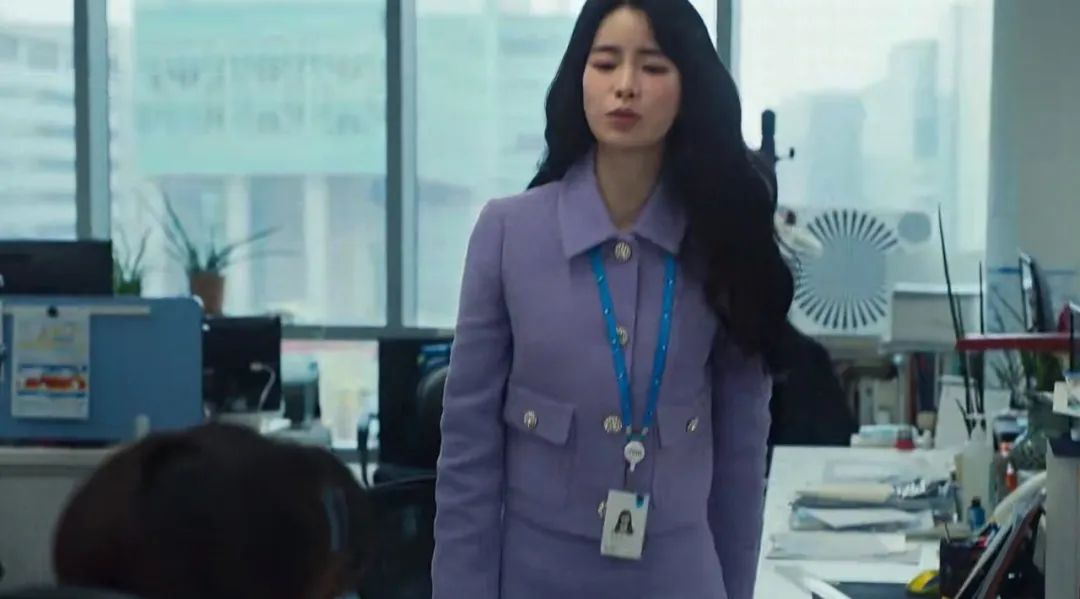
The yellow set comes from another Korean designer brand, VEM.VER, and the price is not expensive, about RMB 1400.
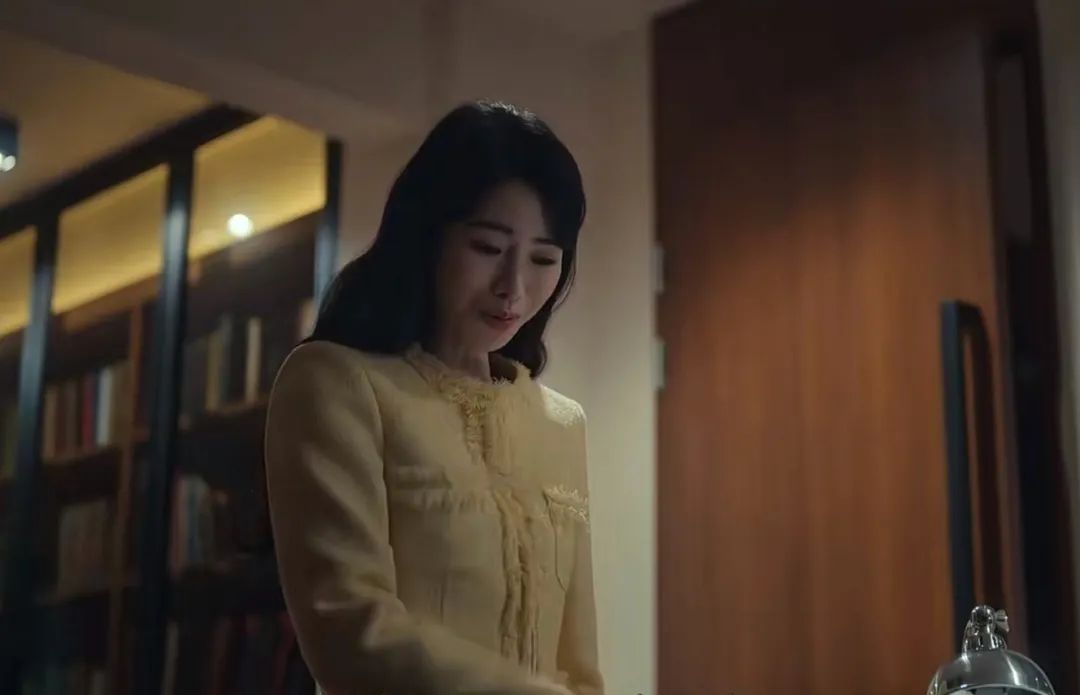
The advantage of doing this is that you won’t make mistakes and don’t have to bother to match. For the daily commuting of office workers, it can be used as a reference.
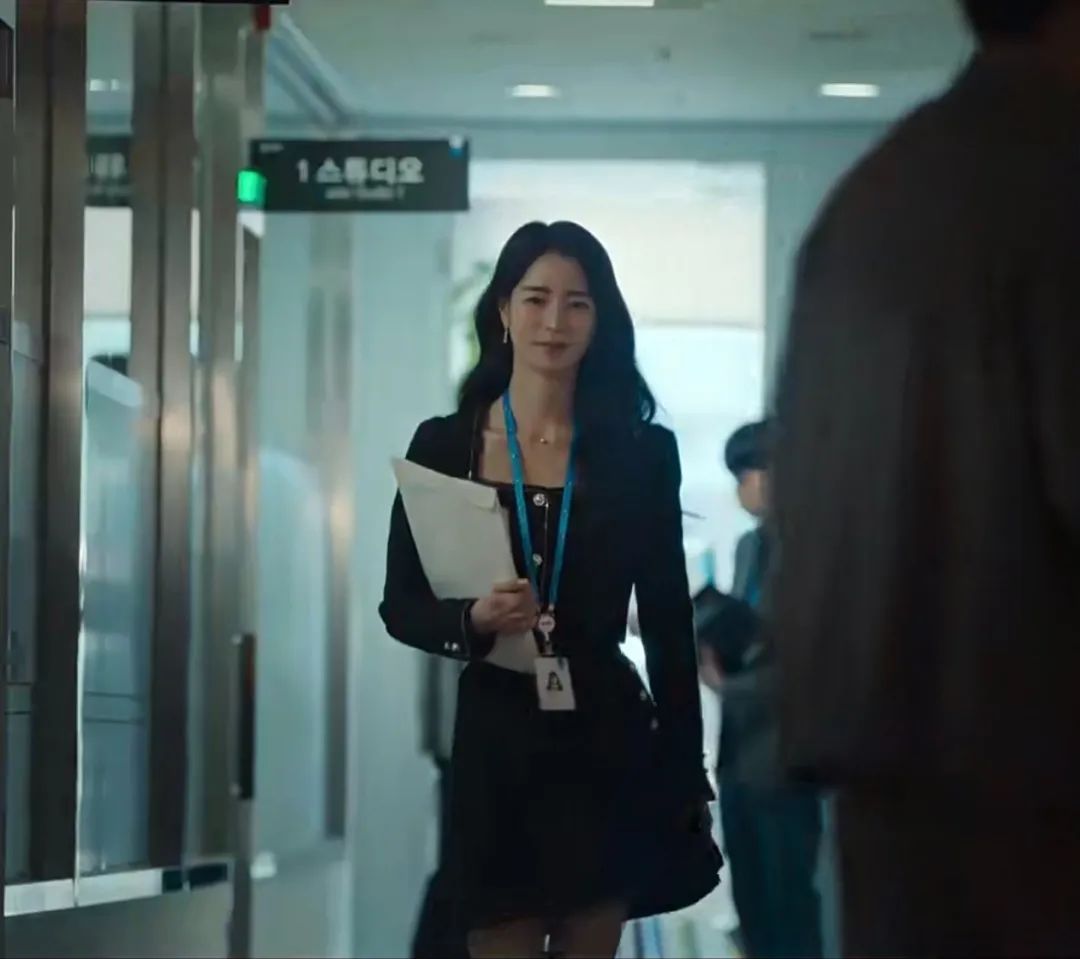
In the event of higher specifications, tweed can also hold the audience.
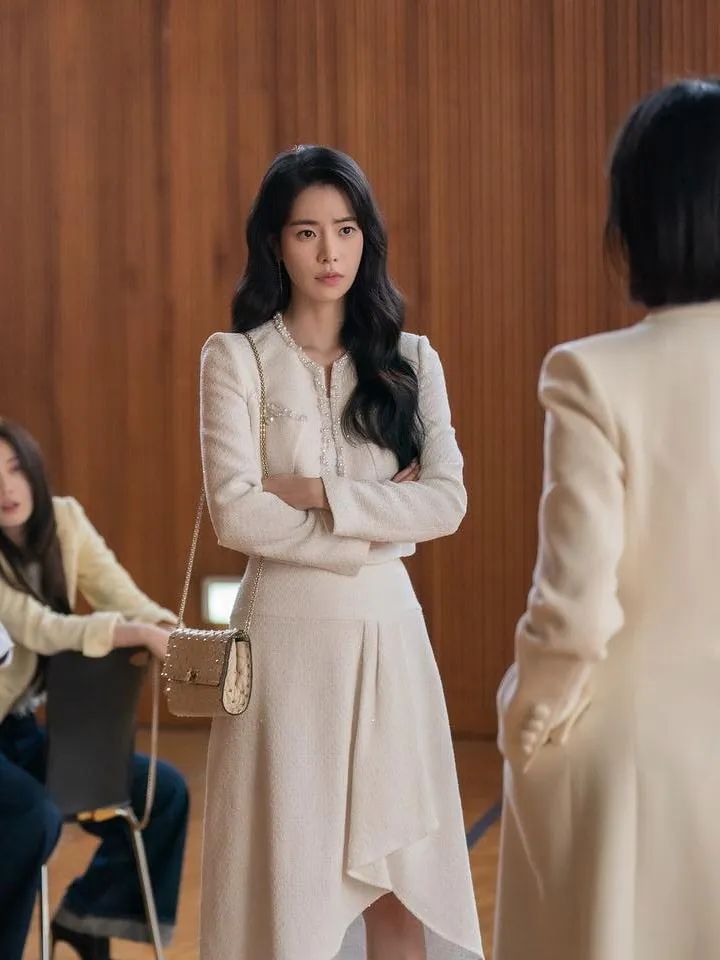
As an outstanding alumnus, Yan Zhen appeared in white at the award ceremony, elegant and decent, which made the audience worship the people who didn’t know the truth.
However, Valentino’s rivet bag still exposed her inner rebellion.
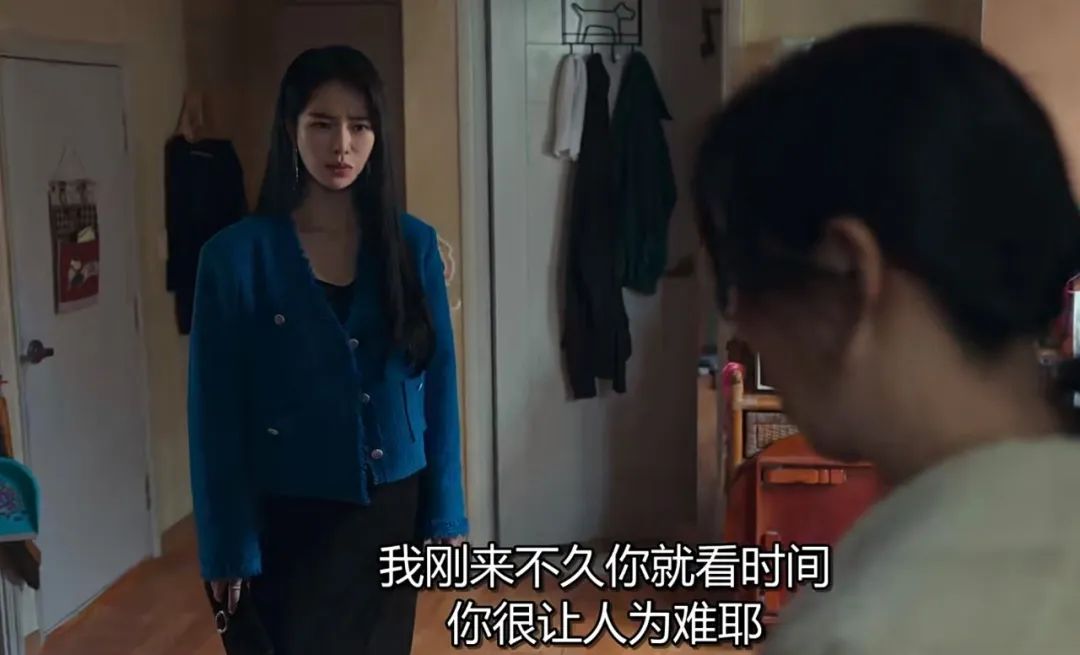
On informal occasions, you can be more casual. Try to keep only your coat.
For example, this DINT blue V-neck coat, with a black dress inside, is simple and generous, and can also reveal a slender neck.
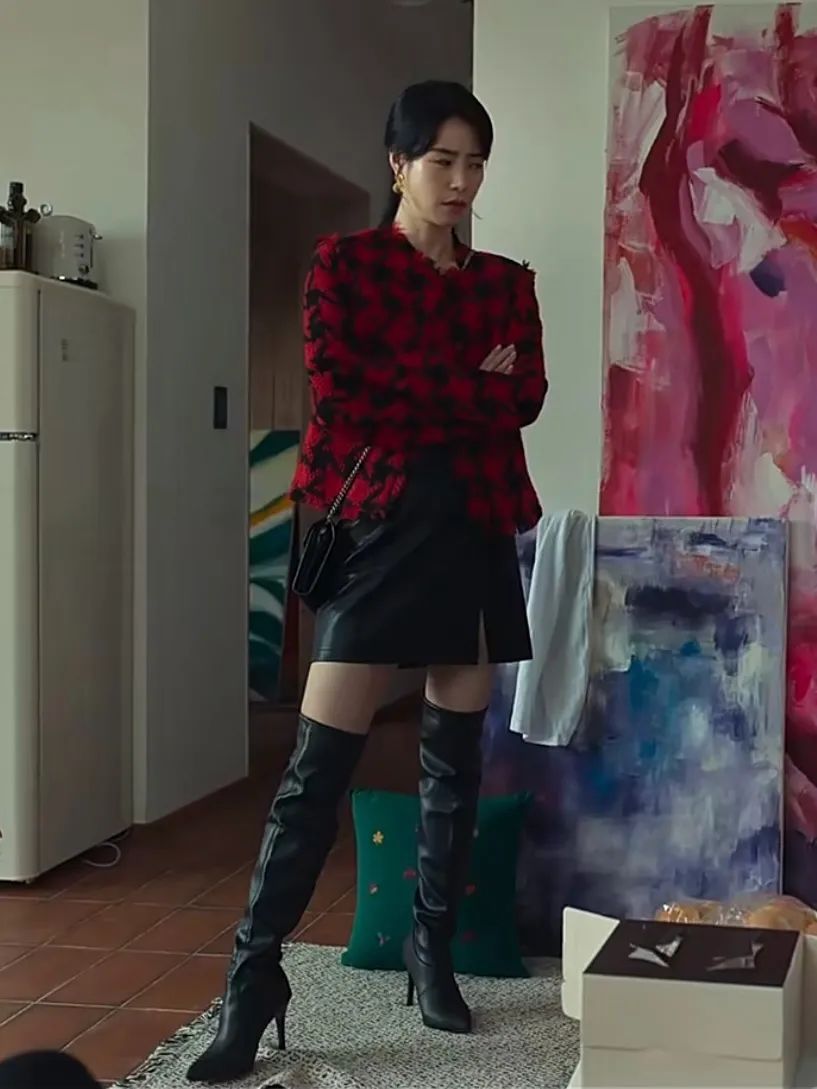
It’s even more "revealing" to meet friends. Red and black houndstooth coat, with leather skirt and boots, with a little rock in the style of celebrities, looks like a big miss who is not easy to mess with.
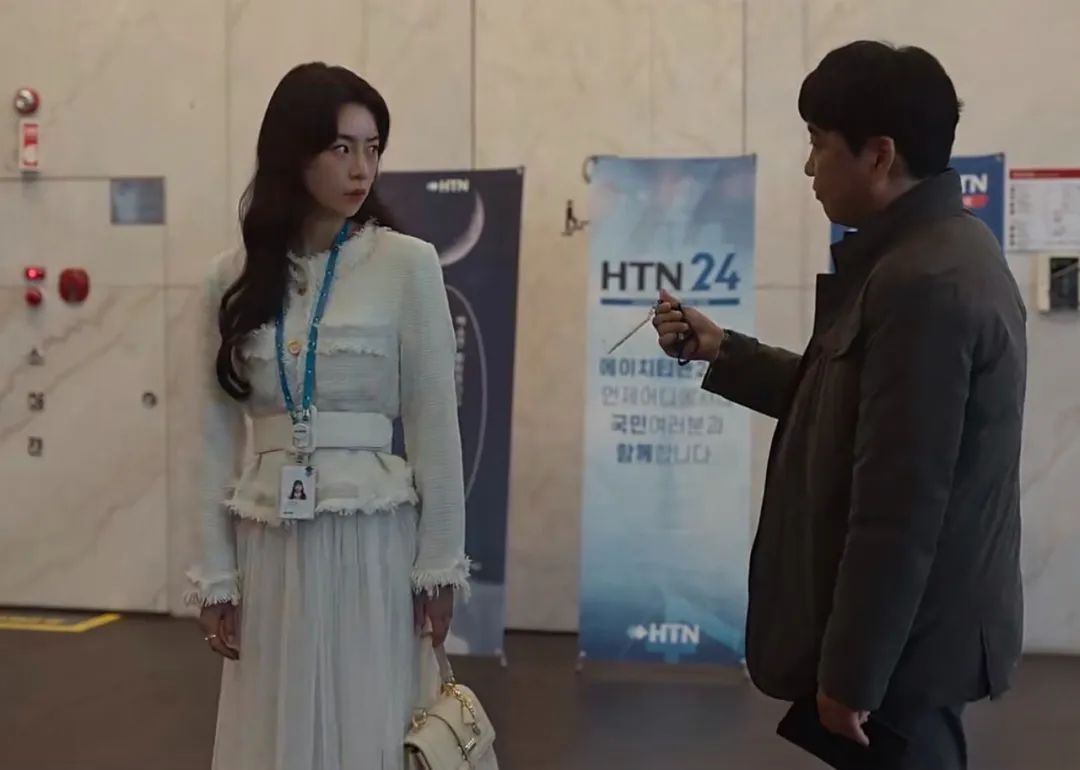
Being approached by the police, Yan Zhen’s white coat was matched with a white gauze skirt, which added a little innocence.
If you are worried about being bloated, you can learn from her and add a wide white belt to highlight the waistline.
Who would have thought that the delicate and touching woman in front of her was the murderer!
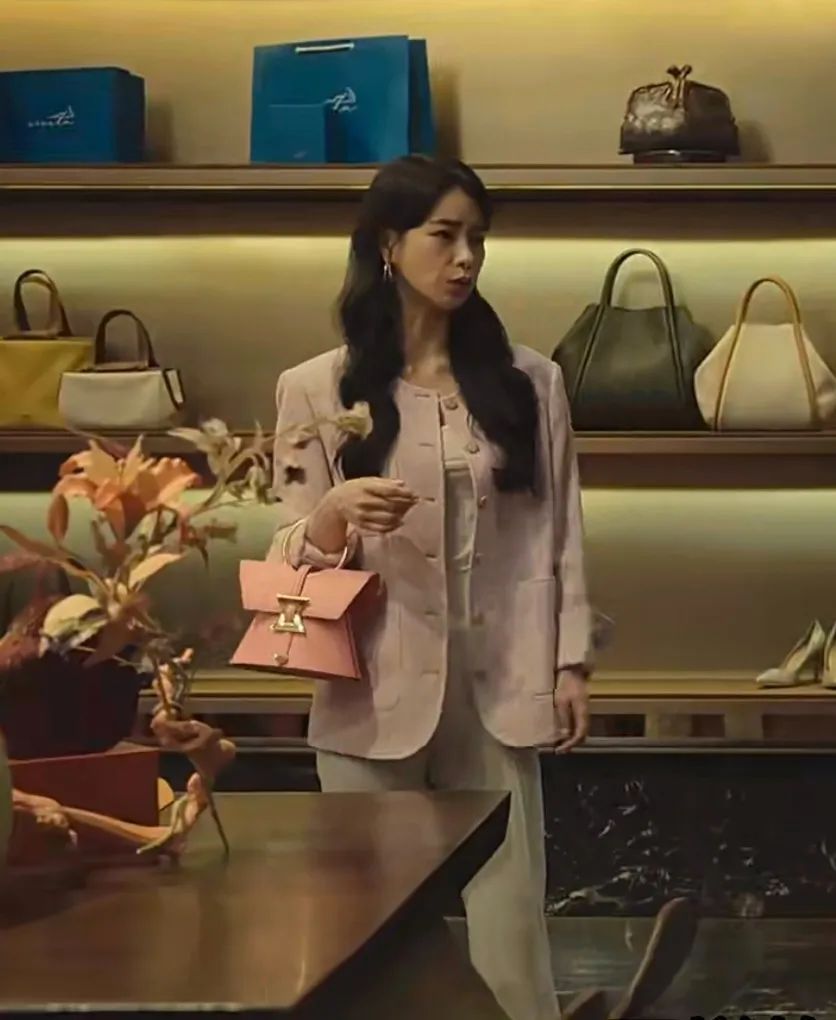
When she went to the buyer’s shop opened by her old lover, she wore UMER’s taro purple top with white warmth and softness inside.
The pink bag in my hand comes from the Korean brand SHACLARA, about 6000 yuan, and the angular design is playful and interesting.
There is also a brown plaid coat worn when talking to my daughter with a spoiled face, from PORTS, mixed with delicate silver silk thread, which is undoubtedly rich and rich.
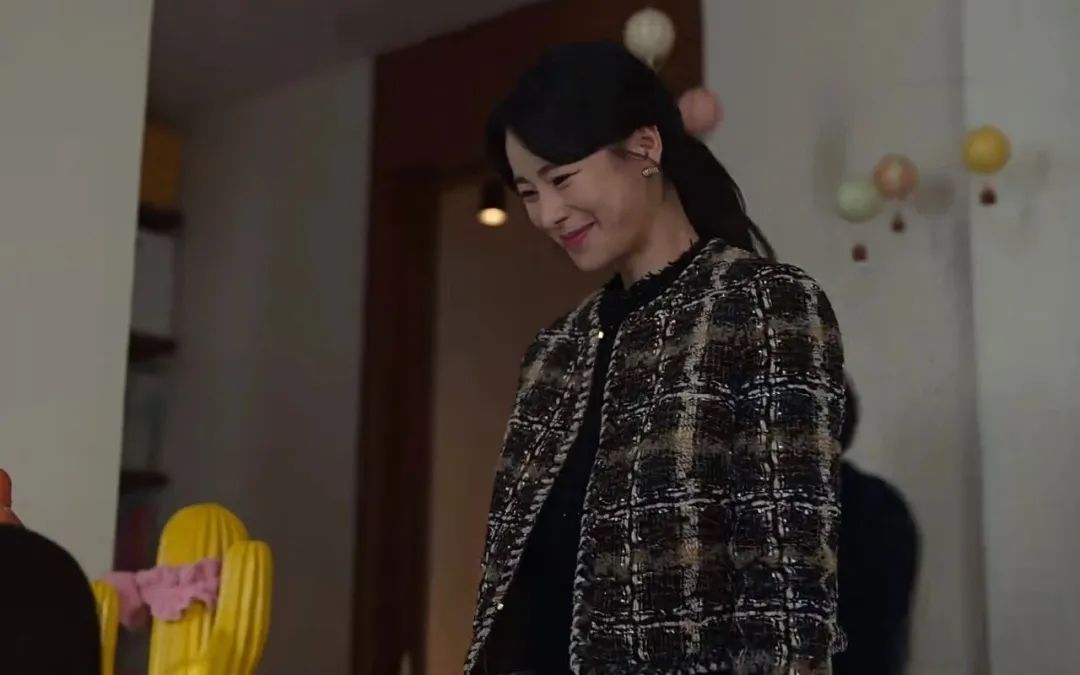
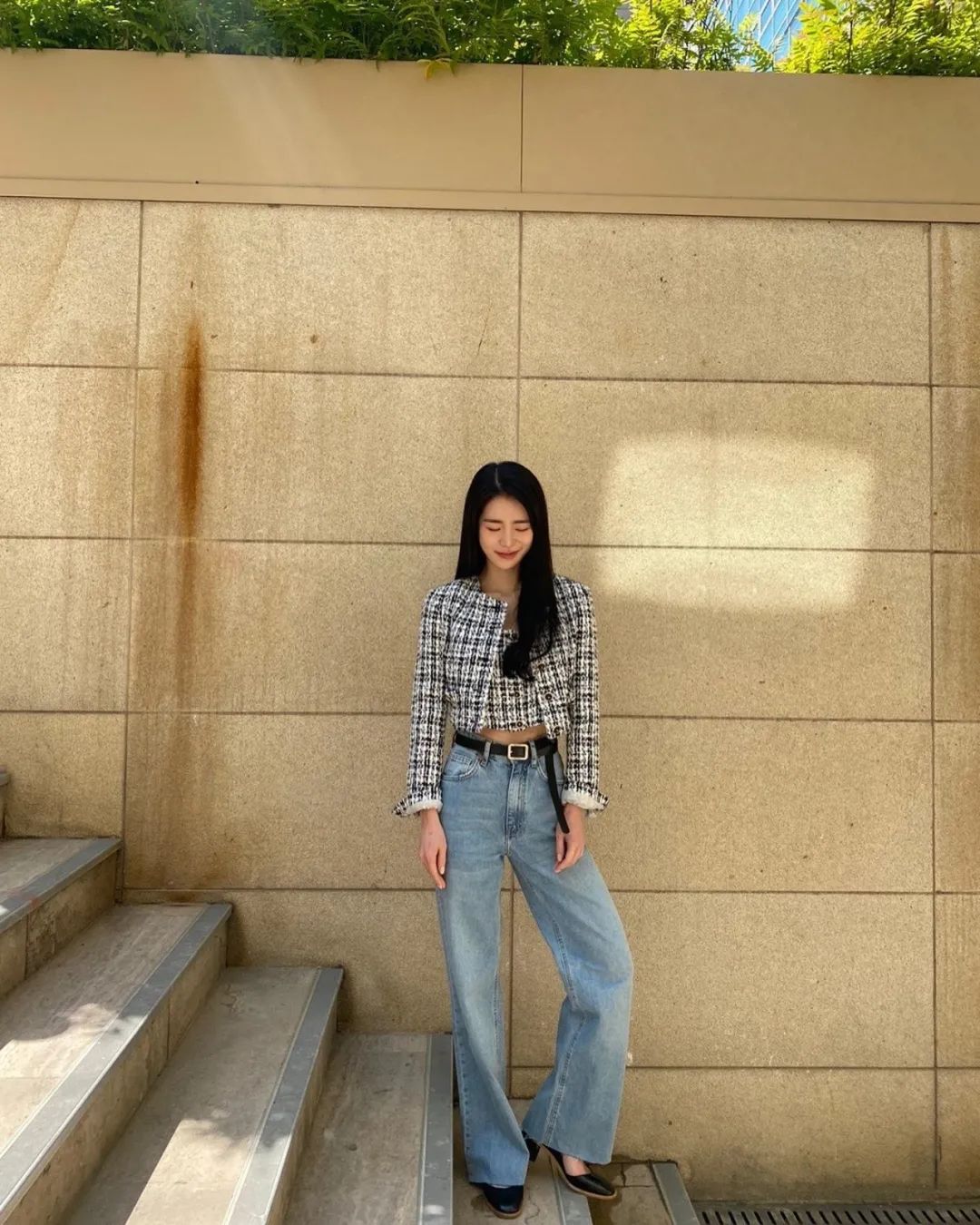
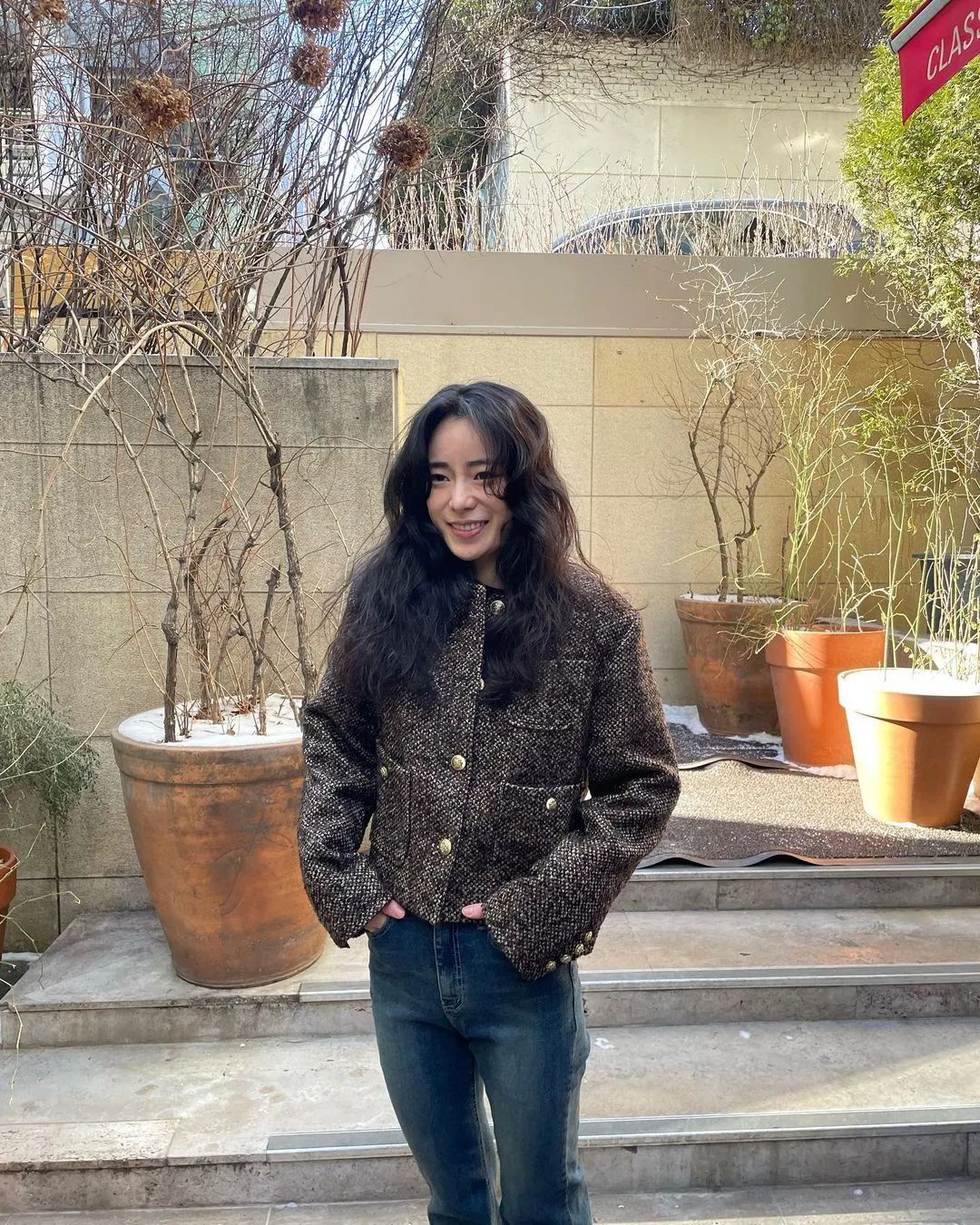
Interestingly, actor Ji-yeon Im himself likes tweed very much in his daily life.
However, most of her jeans are more casual and suitable for girls with a chic and neutral style.
02
Bright color with black
Full gas field
Another big feature of Yanzhen is that she likes all kinds of bright clothes.
Wen Dongen, played by Song Hye Kyo, is always dressed in cold black and white ash, as if living in a colorless world. Yan Zhen, on the other hand, wears bright clothes every time she goes out, becoming the focus.
After all, she is an overbearing evil woman, so it is impossible for her conscience to find out, and it is even more impossible for her to dress in a low profile.
But if you don’t wear bright colors well, it’s easy to appear tacky and overexert, so Yan Zhen is very smart: you can’t go wrong with black matching.
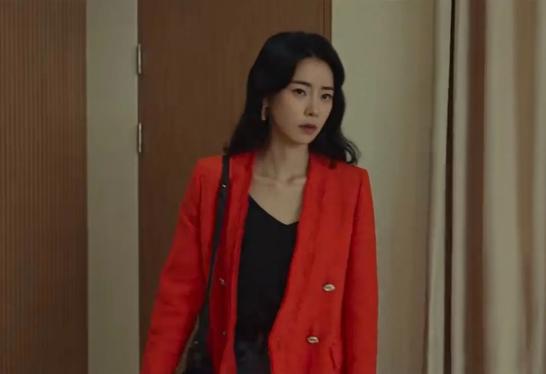
Knowing that Song Hye Kyo had become her daughter’s primary school teacher, Yanzhen went to school to fight face to face, wearing a purple coat and a long black leather skirt, and her aura was fully open.
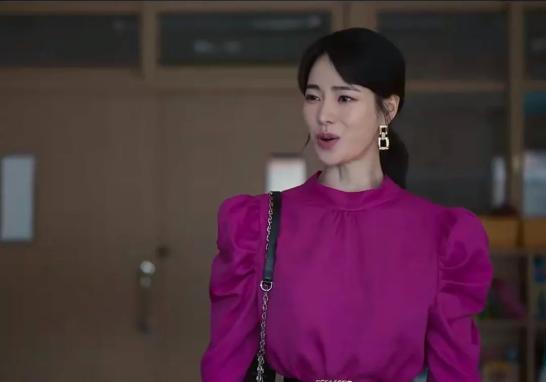
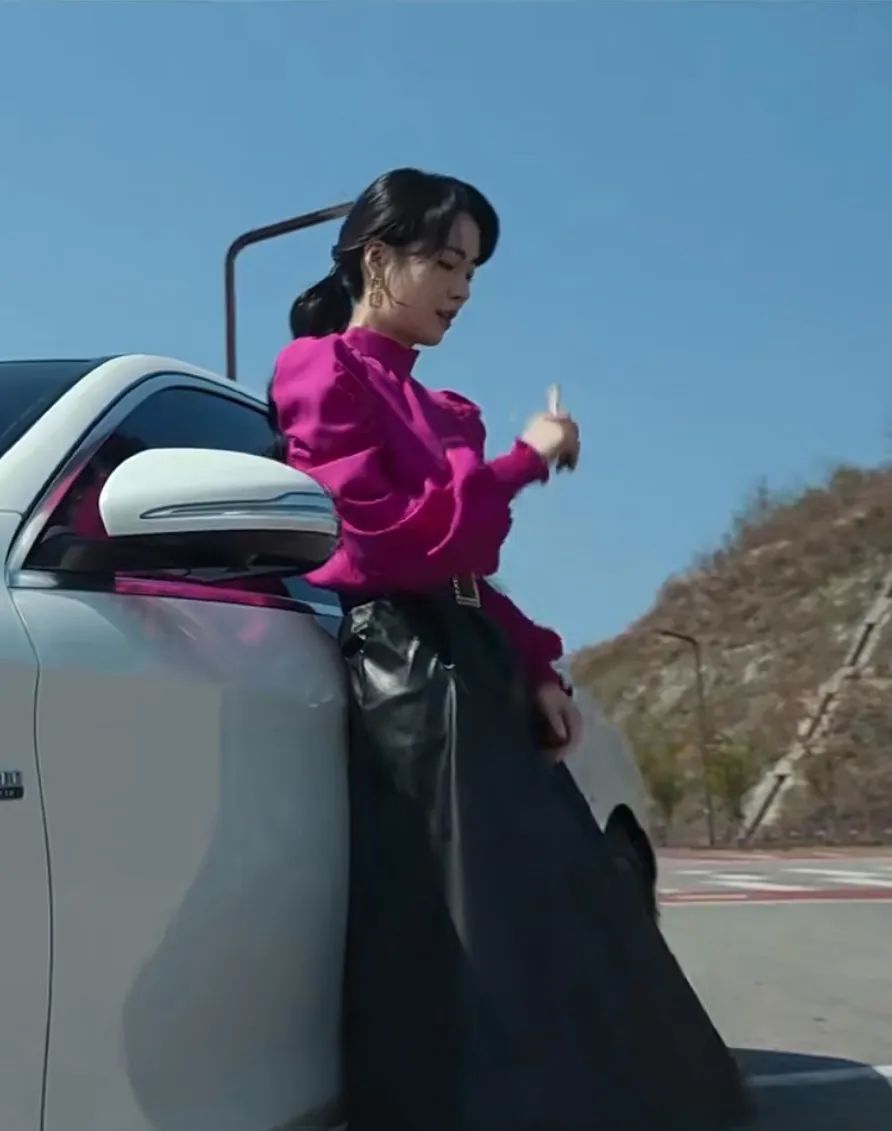
By the way, she really likes these sleeves with shoulder pads. Not only is it small, but it is also a weapon to increase momentum, and small girls can learn.
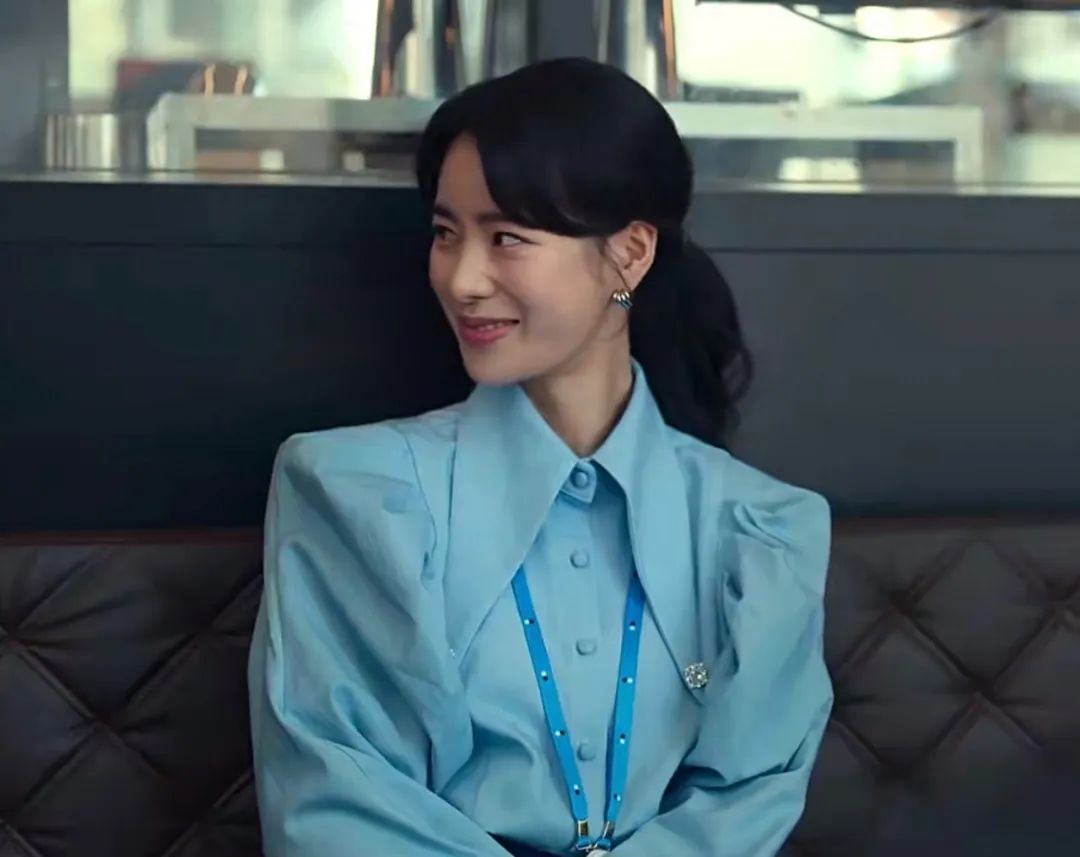
The orange Zara coat I wear when I go to meet my friends is also black inside.
Paired with jeans and Gucci’s black Sylvie, Zara is dressed so high, who is not confused.
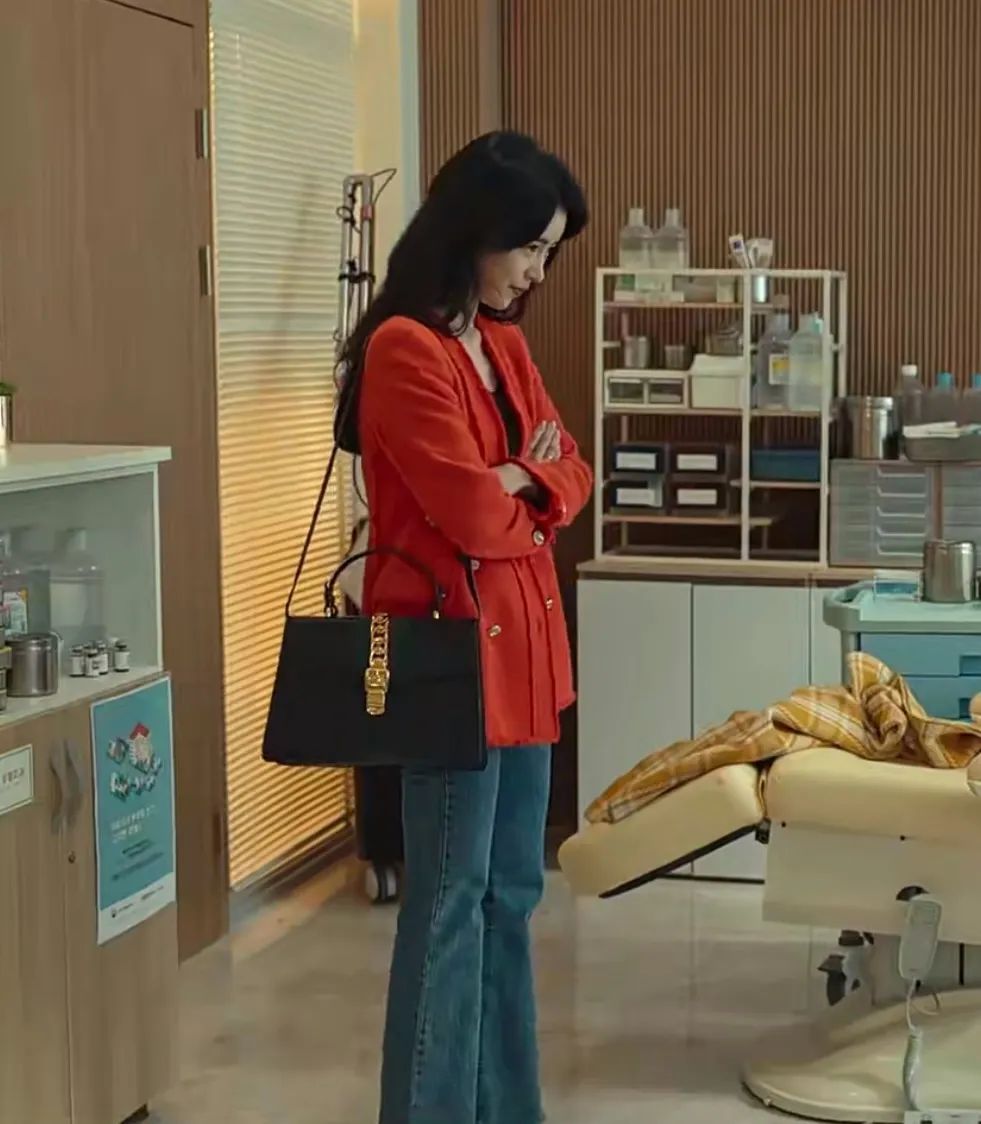
The apple green knitted cardigan worn when asking for information from the nanny comes from Rochas, and it is a classic Korean collocation with a black turtleneck at the bottom.
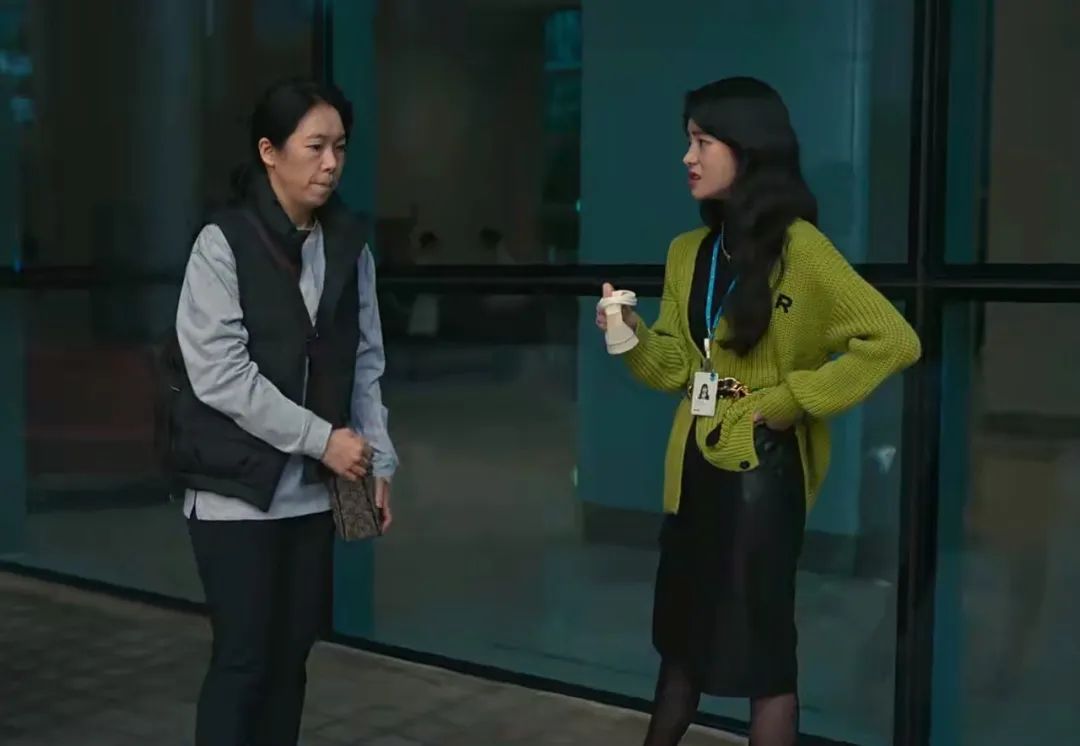
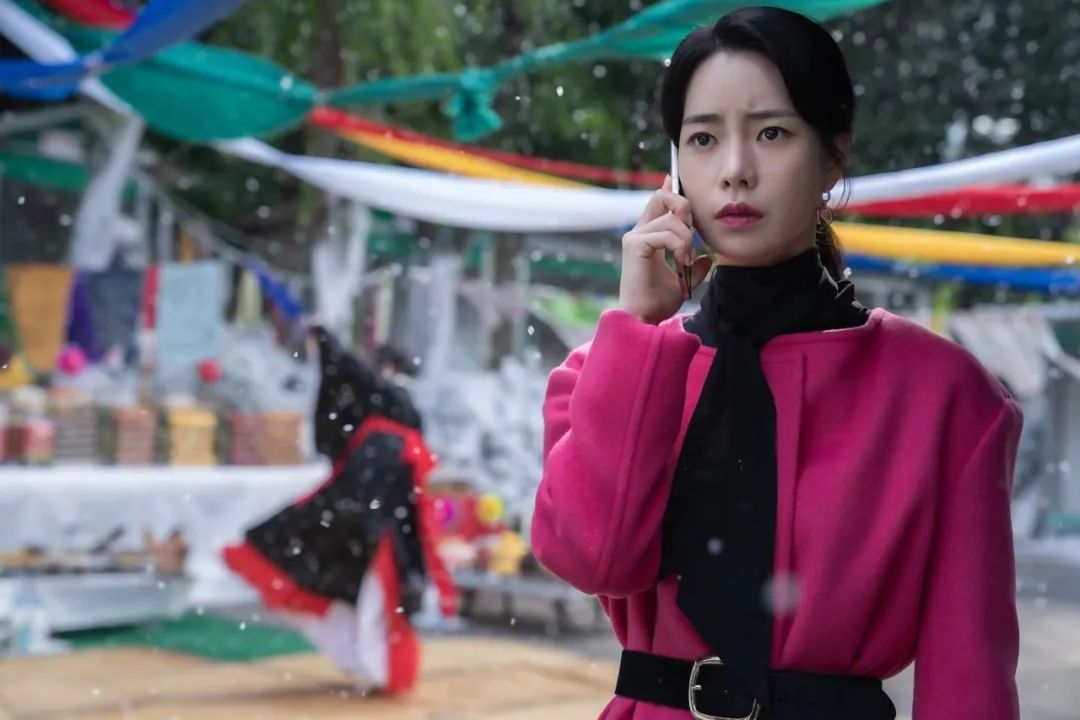
The pink coat on a snowy day was also easily controlled by her.
This large area of high saturation color is balanced and neutralized by black, and the overall feeling is not exaggerated, breaking the curse of "who wears soil".
There is also the classic "sneak into the funeral home look", and the matching idea is the same. PORTS’ red sweaters and skirts are already outstanding, and the rest are just black underwear, black silk and black shoes.
It’s you, Yeon-jin, who dresses so fashionably and strikingly as a thief.
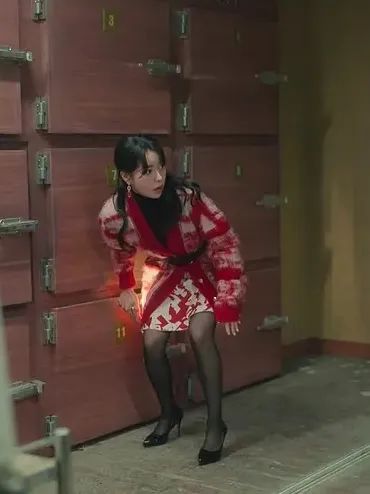
In short, remember this rule that black matches everything, and we ordinary people can also control bright colors.
03
Metal and pearl accessories
A sharp weapon to create a sense of exquisiteness
If you want to build a golden wind, there is another indispensable thing, that is, accessories.
Yanzhen likes pearls and gold ornaments. These ornaments don’t need to be very expensive, which can add a sense of exquisiteness to the overall shape.
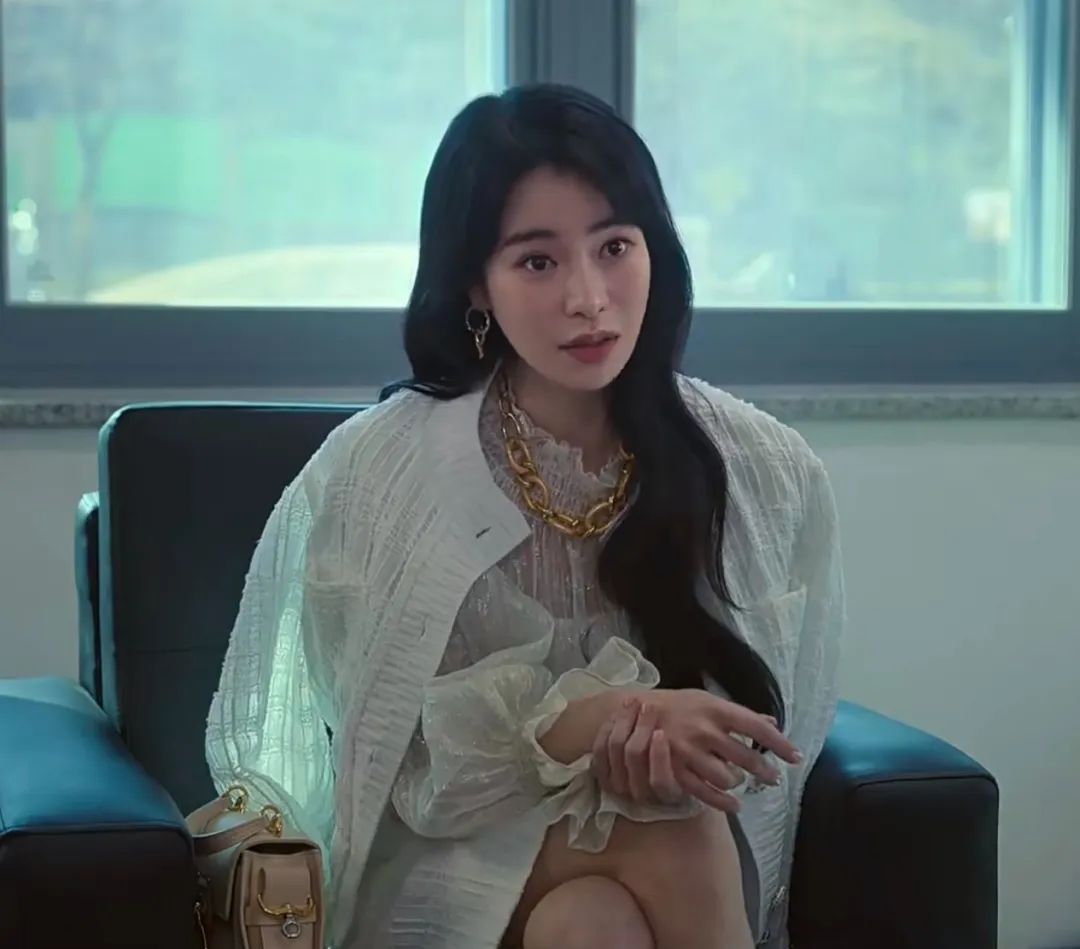
I like what she wore when she went to her daughter’s school and asked the headmaster to expel Song Hye Kyo.
It is obviously a gentle and light white blouse and cardigan with romantic ruffles at the cuffs, but she has an exaggerated "big gold chain" to neutralize the feeling of a little woman. It’s hard for the principal to ignore her!
When you visit your friend Lisa’s art exhibition, you can wear casual jeans, but you can’t miss a gold necklace.
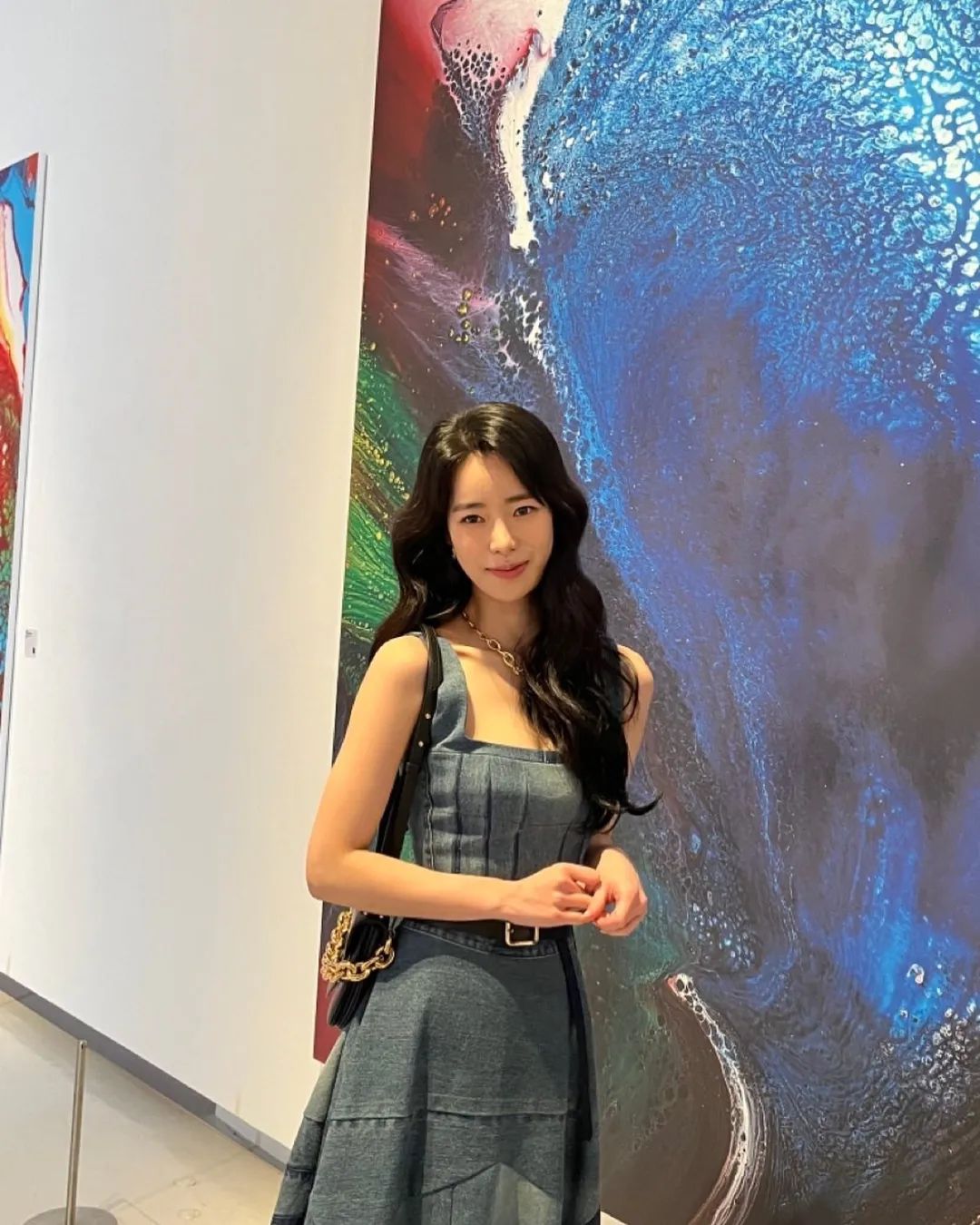
There are also various special-shaped metal earrings with a sense of design, which are suitable for casual wear, tweed and fur.
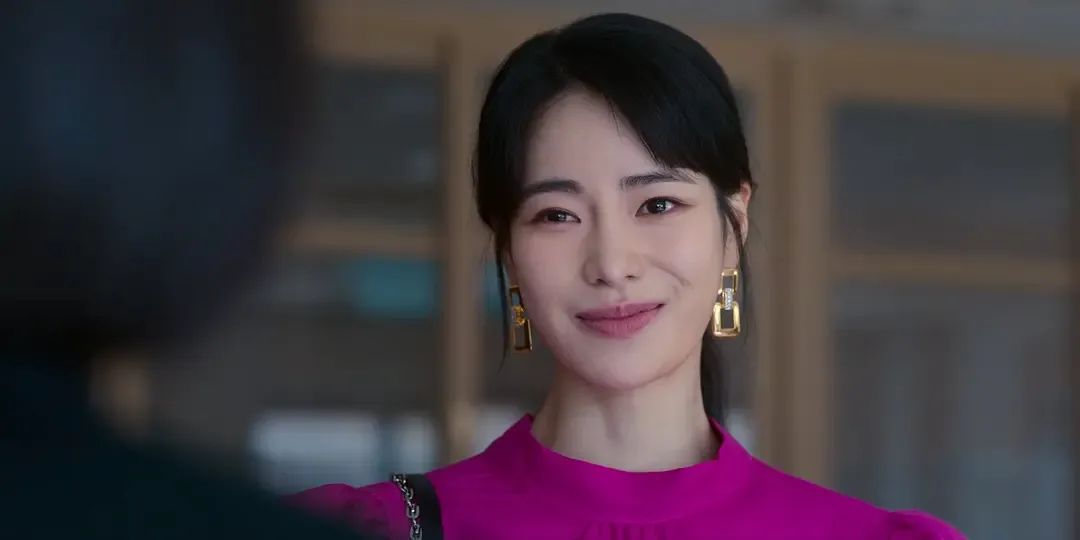
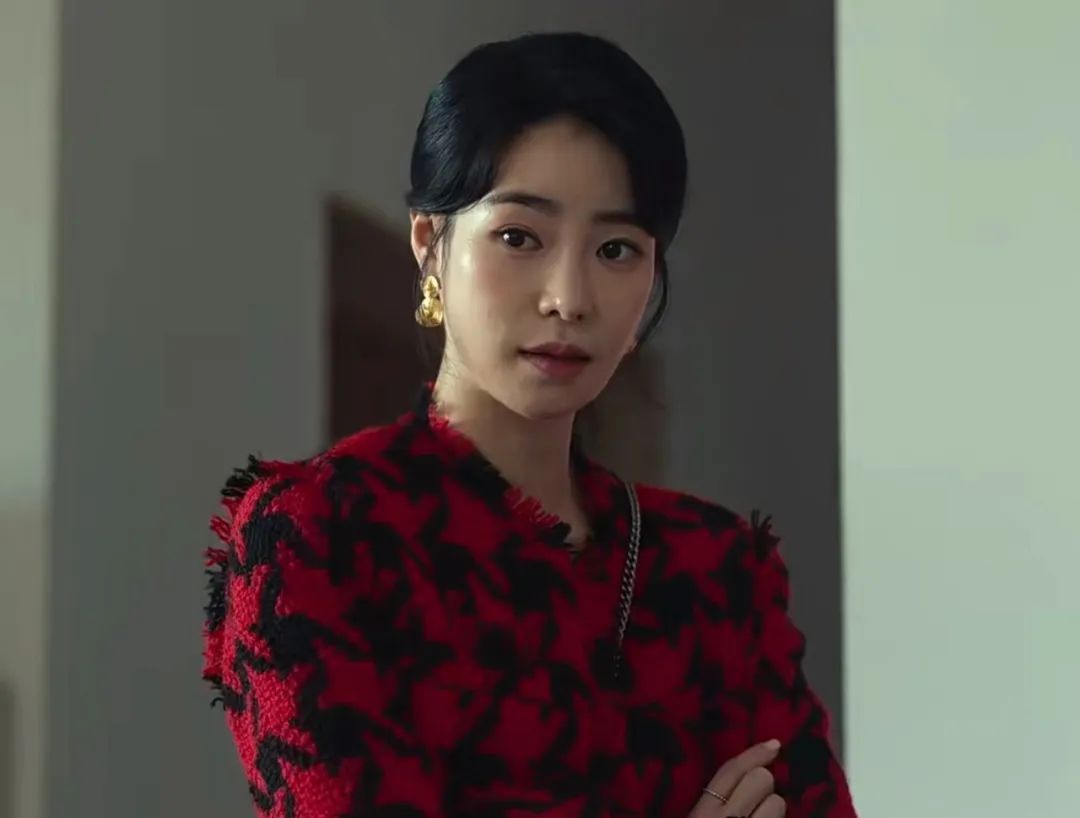
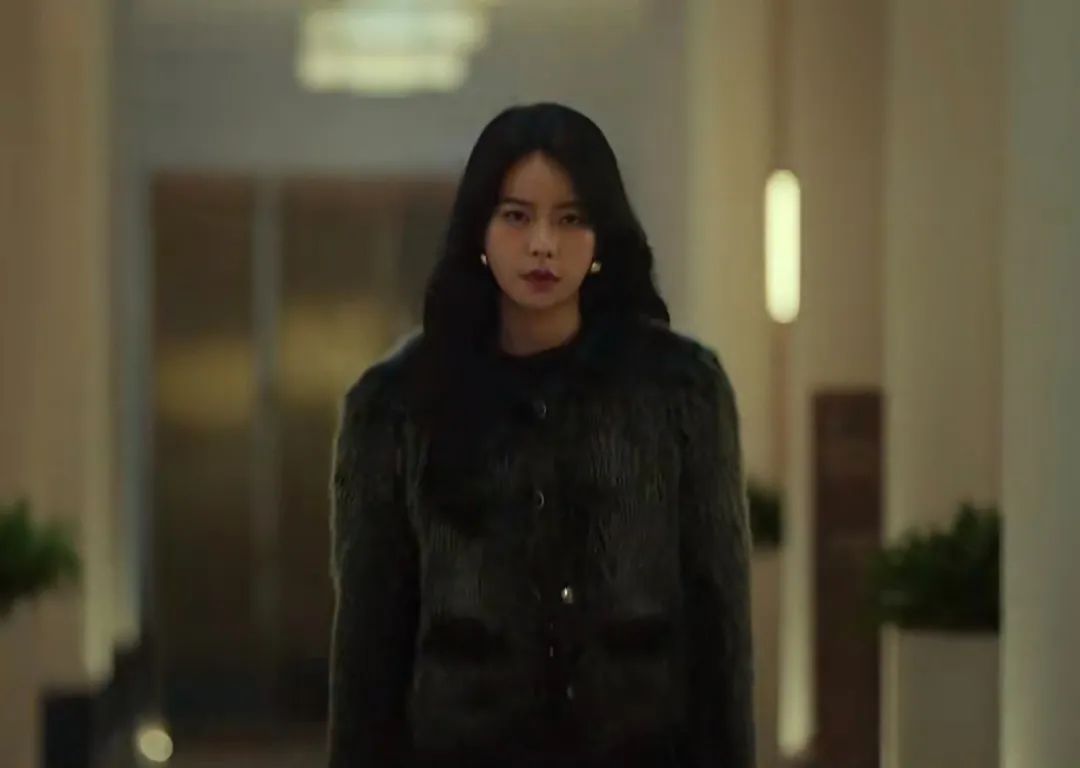
The gold earrings and necklaces worn when killing people are also very beautiful, and they are splashed with blood, which vividly explains what is a femme fatale.
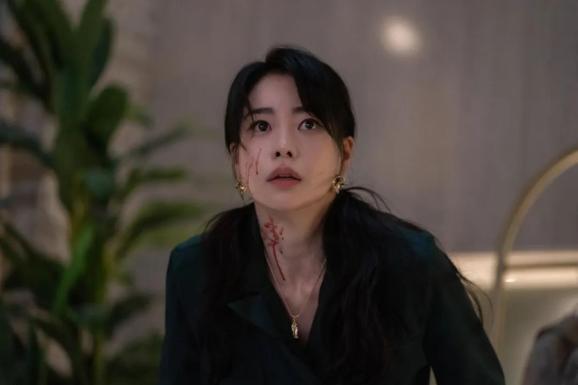
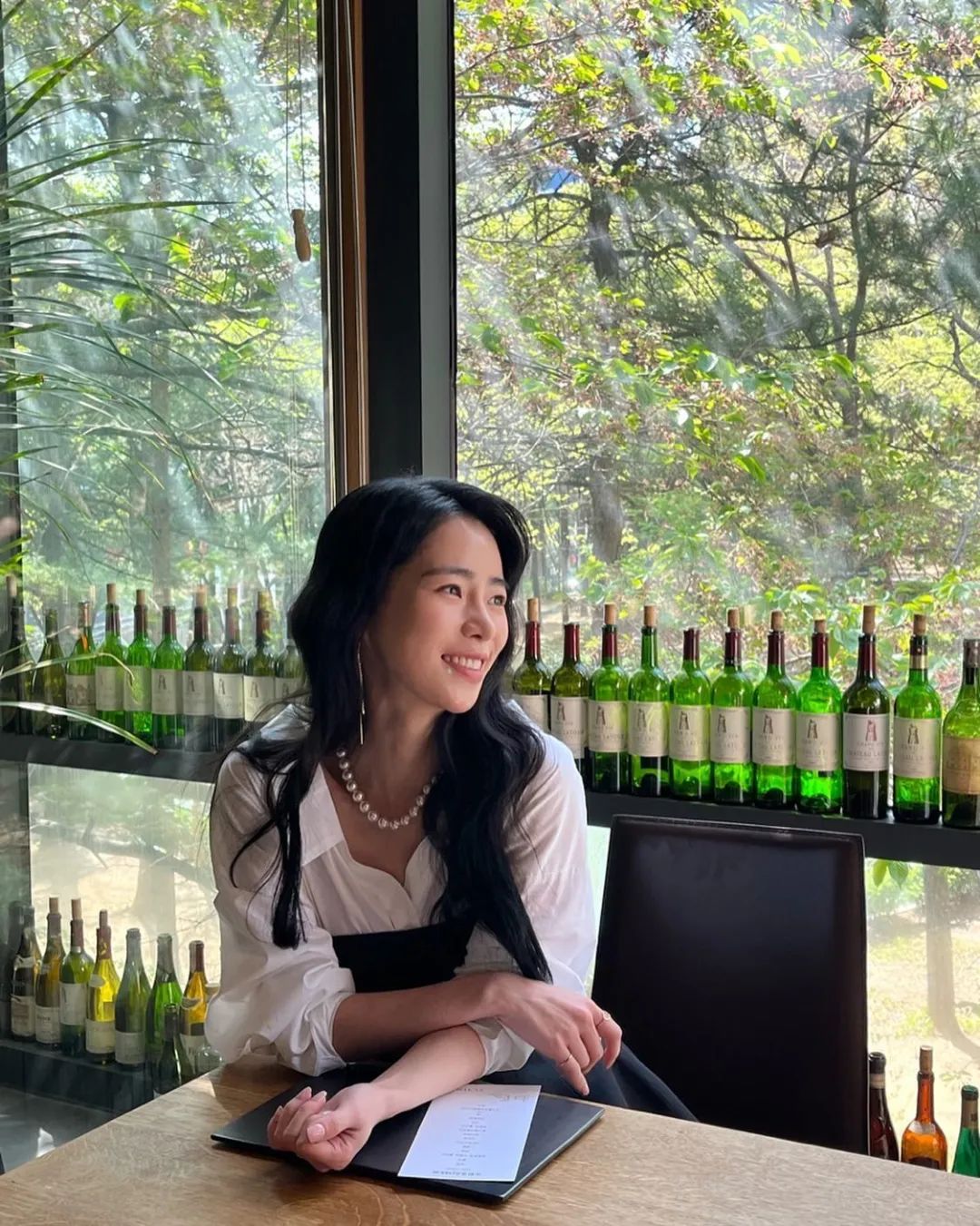
In addition, Yanzhen’s pearl necklaces have a very high appearance rate, which is a highlight of her modeling.
The red dress is more expensive because of the embellishment of pearl necklace.
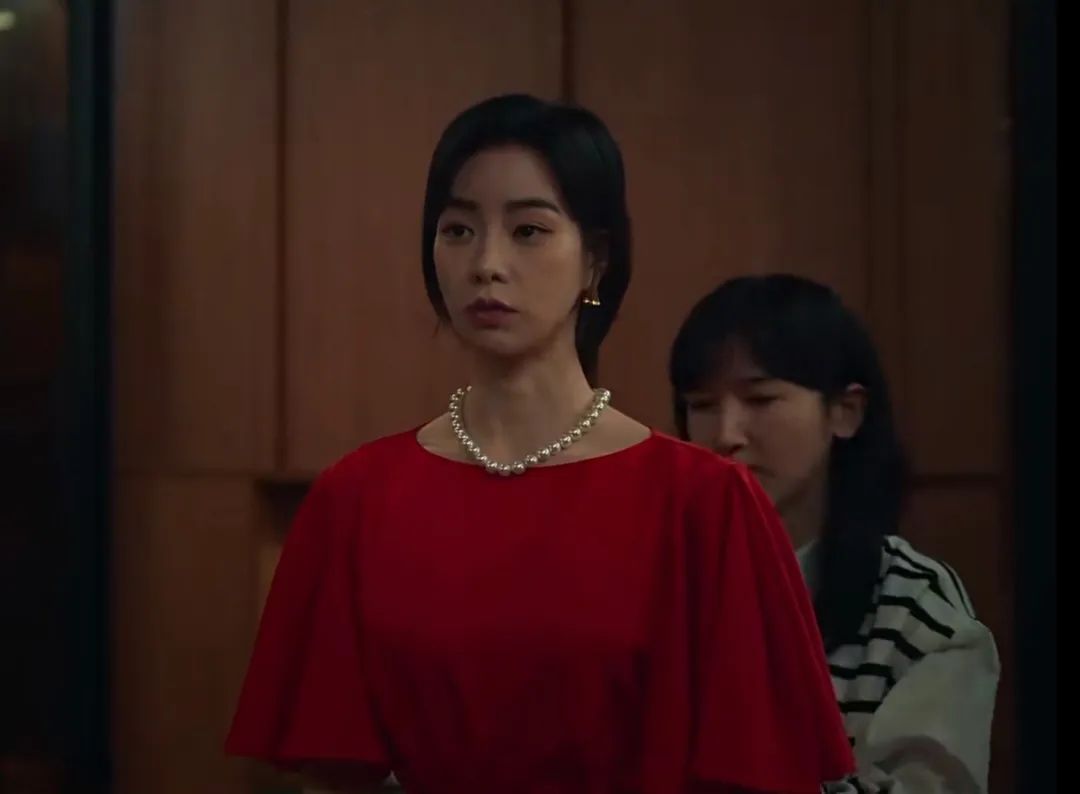
A black and white dress with a big neckline is a perfect match with a pearl necklace, and the taste of a rich girl suddenly comes out.
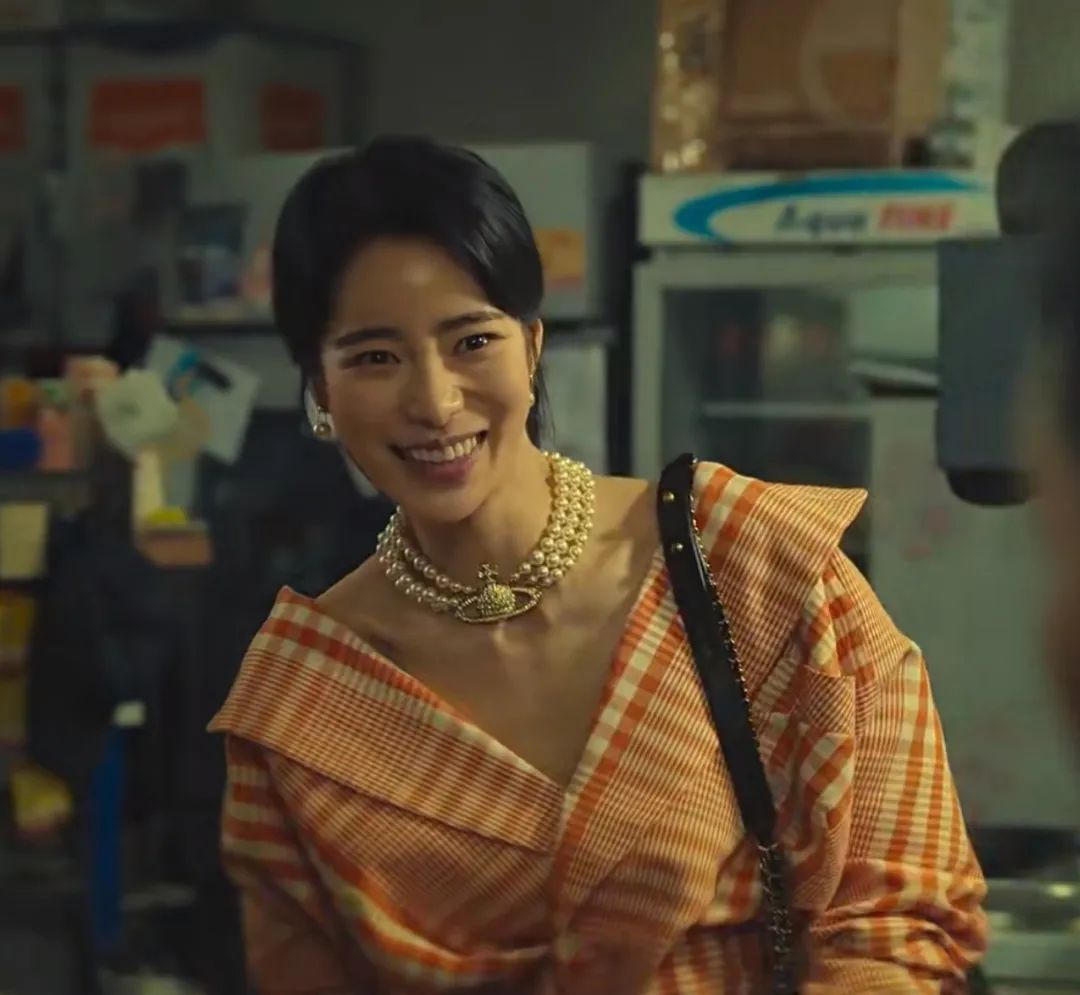
The most discussed is this three-layer pearl choker of Vivienne Westwood, which costs less than 5000 yuan. Noble with unruly, stuck in her beautiful collarbone, very eye-catching.
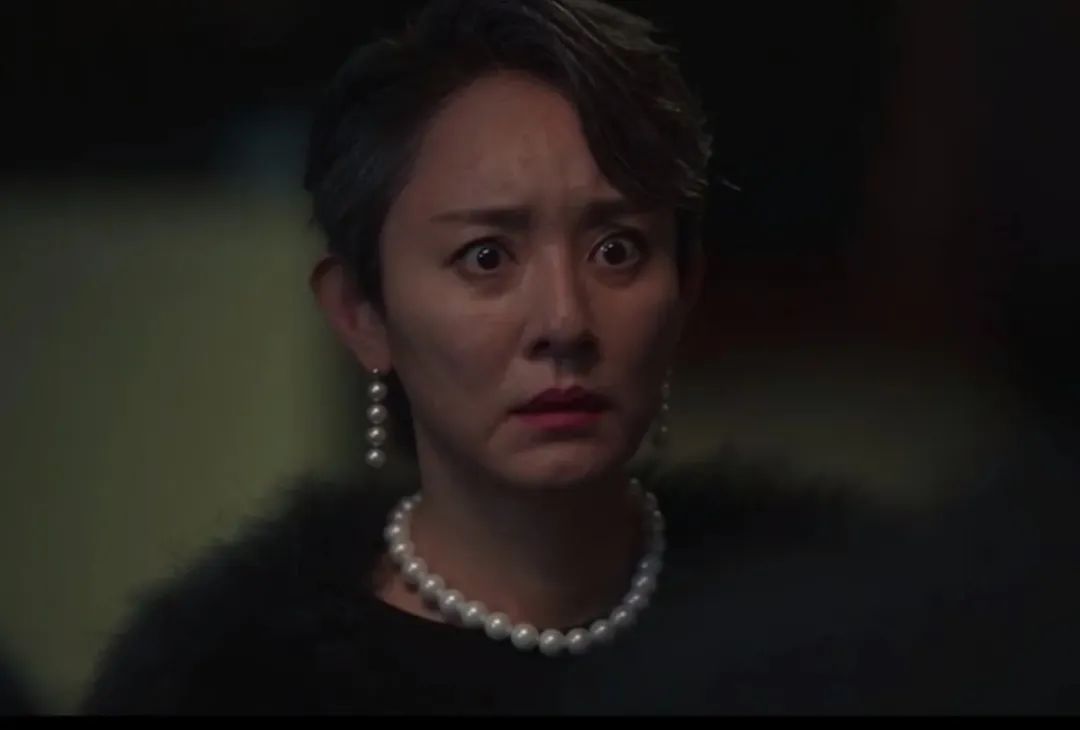
Liking pearls may be inherited, and Yanzhen’s mother also has many pearl accessories.
As for whether it will be too heavy? Yan Zhen has a famous saying: expensive jewelry, expensive watches, expensive bags and expensive cars are all very heavy; Expensive coats, expensive dresses, and expensive shoes are all very light.
04
Hermes all over the wall
Furniture is also a famous design.
Yan Zhen’s life as a lady can also be seen from her home and the things she uses.
I don’t know if it’s because she’s always going crazy to smash bags. There is no very expensive bag in the shape matched by the crew. The biggest brand is two Dior Daifei bags, one red and one black, and the price is about 45 thousand.
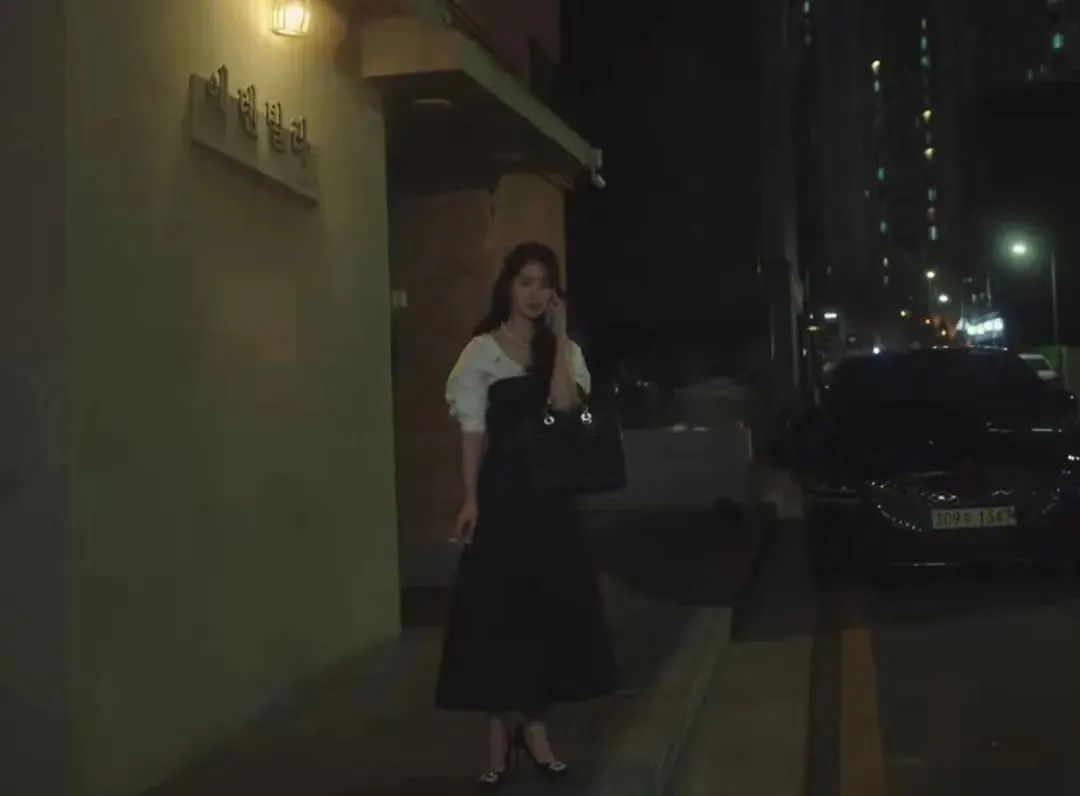

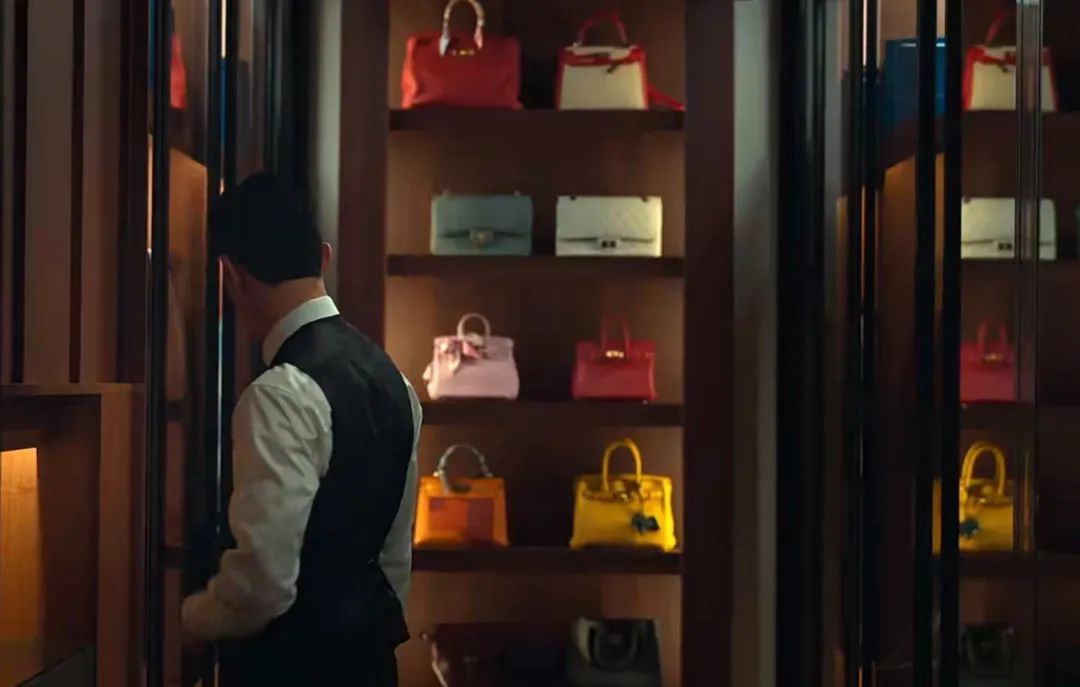
But if you see her cloakroom, you will find that people have Hermes all over the wall.
After all, the gifts my husband sent out were Mini Kelly worth about 100 thousand, and he told the other party "just be a fruit basket because you can’t come empty-handed."
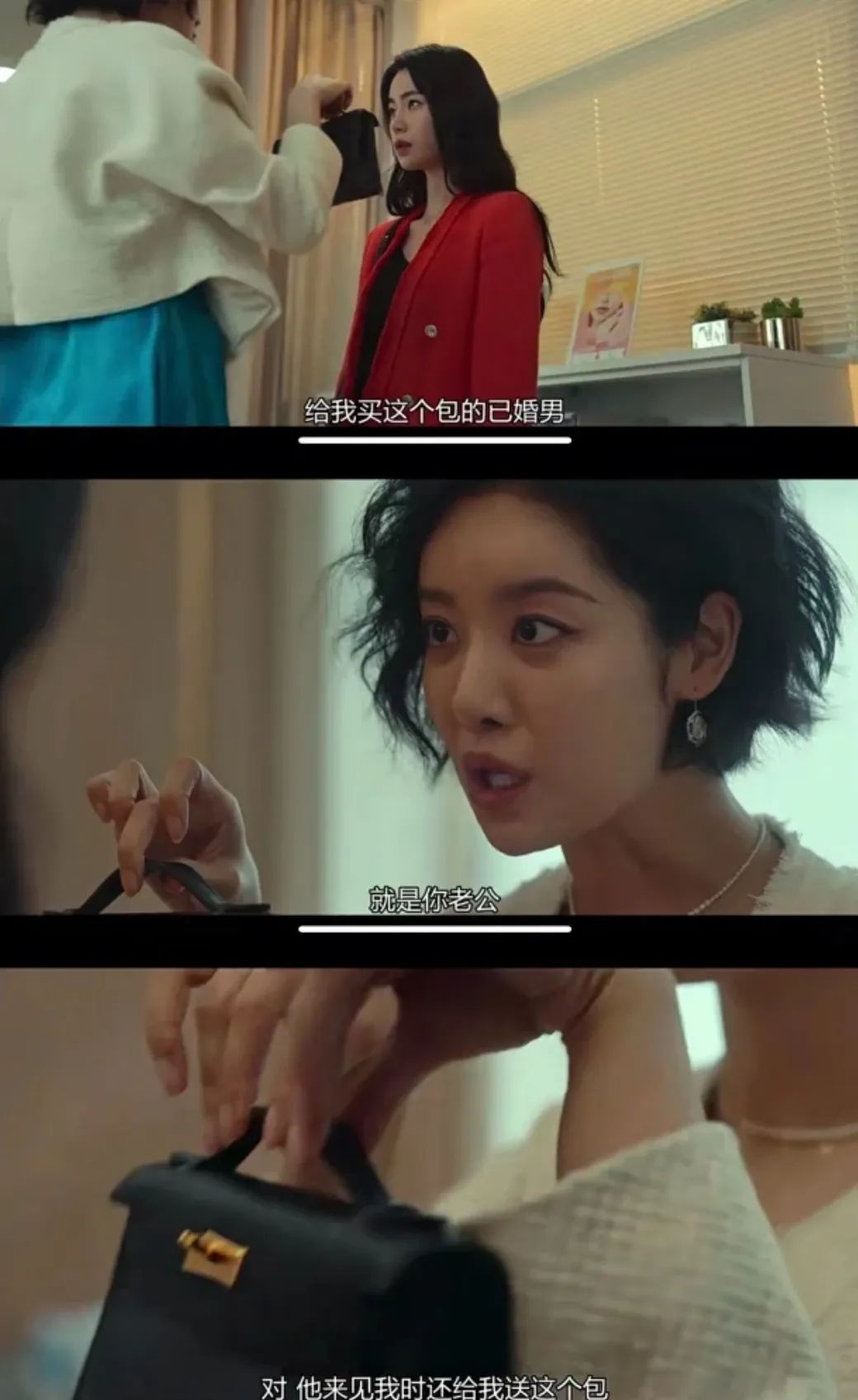
The bags displayed in the cloakroom include Hermes Kelly and Birkin in several different colors, Chanel CF and 2.55, Fendi Peekaboo, etc., all of which are good in the mind of the chaebol wife, but unfortunately Yan Zhen never takes them out.
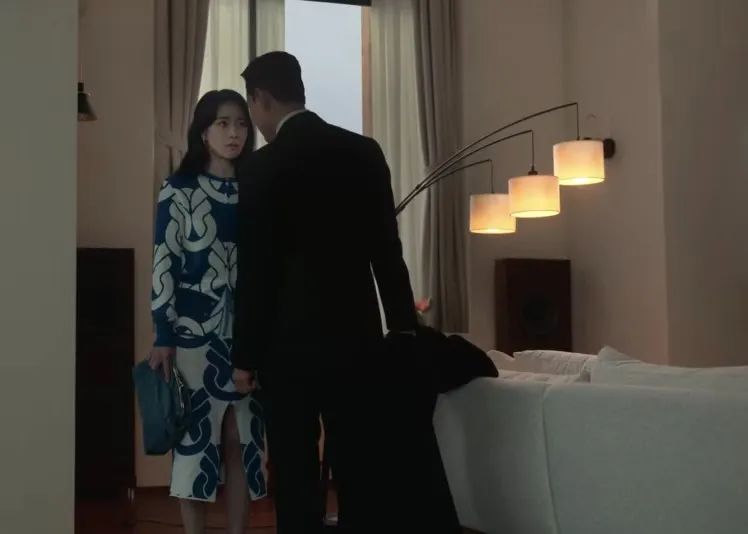
In addition, the decoration of her home is also remarkable. The private hilltop villa, like her husband Heying himself, reveals low-key luxury everywhere.
The floor lamp in the living room comes from the cutting-edge new york brand Adesso, and the three hanging lampshades are very special.
The shoe changing stool in the cloakroom is a classic design of Italian luxury brand Baxter.
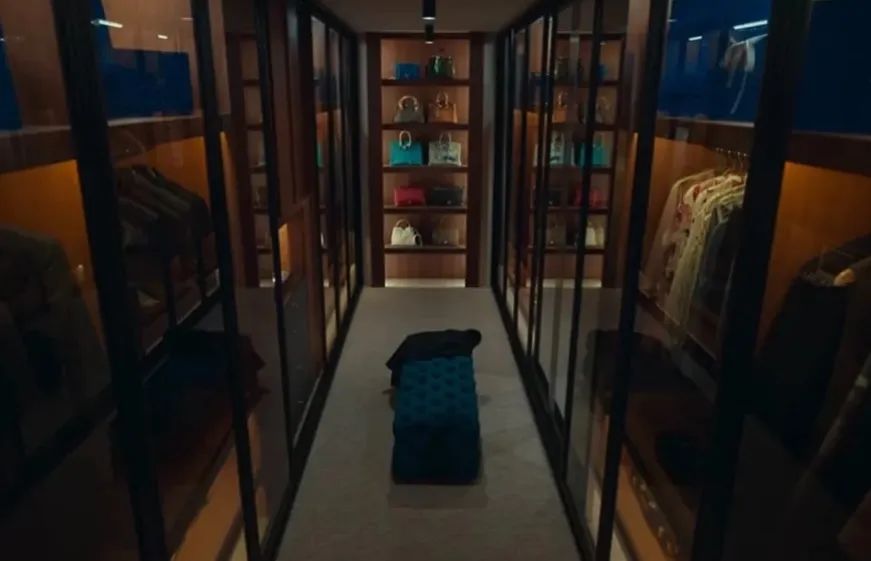
This brand has also appeared in Yan Zhen’s derailed object-all in Jun’s home.
His blue Baxter sofa is quite eye-catching Because there are many potholes like the surface of the moon, this sofa is also called the moon sofa. Classical zipper element, with noble flavor.
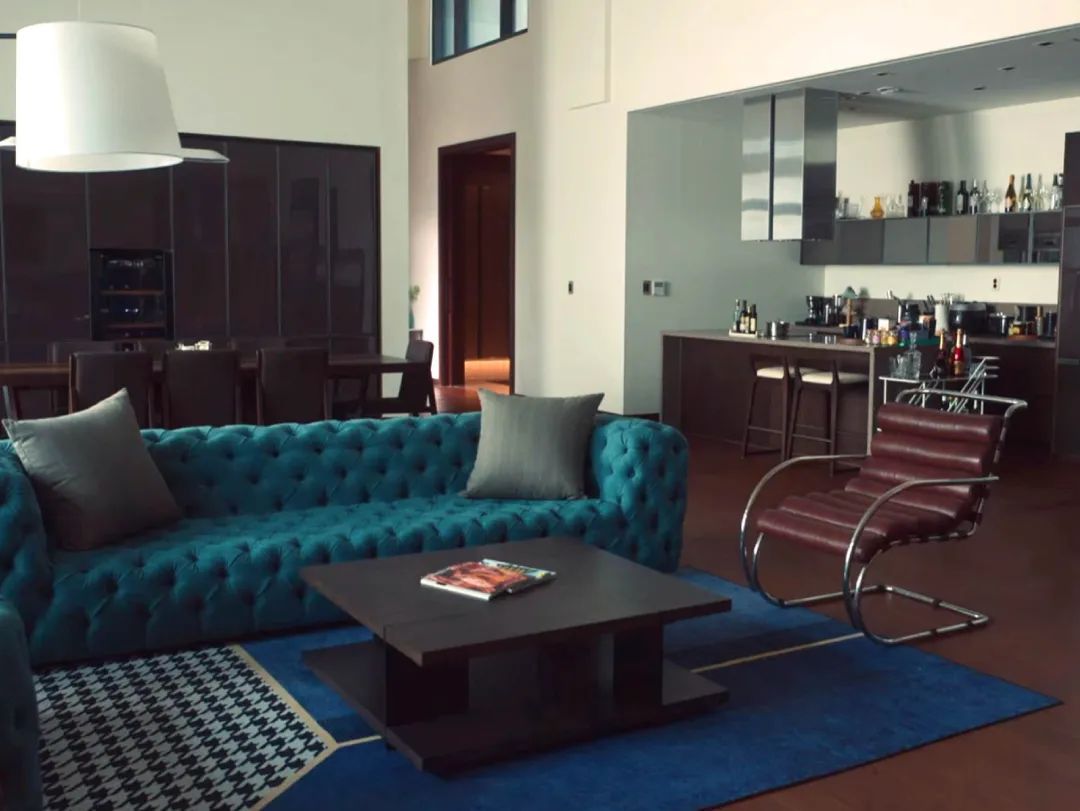
As another "den" of Yanzhen, Quan Zaijun’s family is younger and more fashionable than her chaebol husband’s family, which is in line with the positioning of the rich second generation.
The single chair next to the sofa, all in Jun chose MR Lounge Chair, which was operated by Mies van der Rohe, Dean of Bauhaus. It looks sharp, flexible and light, and has a strong artistic sense.

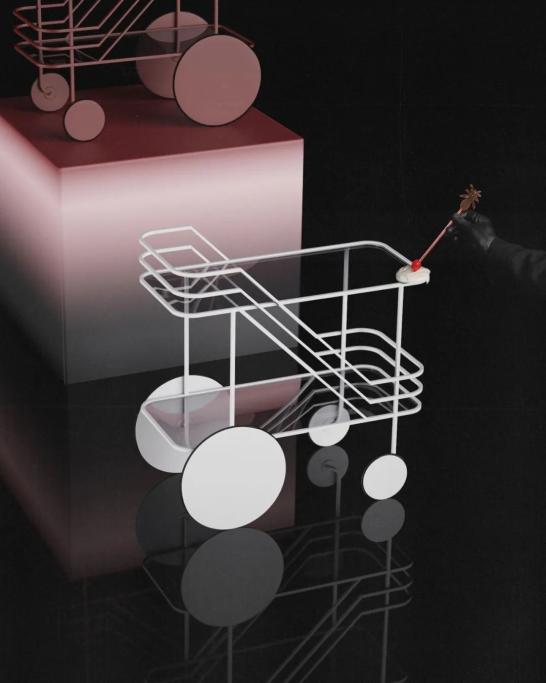
In the open kitchen at the back, you can see a special trolley from Germany.
Its shape is inspired by the combination of point, line and surface, and it is avant-garde and fashionable.
Although Yan Zhen’s character is not good, the men around her have good taste.
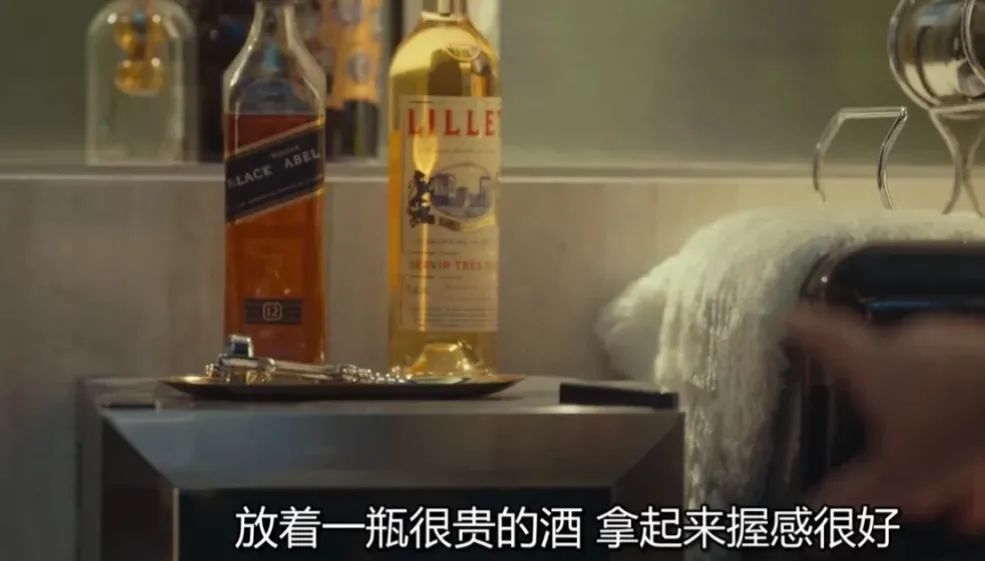
Finally, let’s talk about the wine that Yanzhen drank. In the clothing store "Wu Mei", where she and Quan Zaijun often meet, there is a hidden wine that they like, and they can have a drink when dating.
On the left side of the table is johnnie walker Black Whisky, which has won many awards and is regarded as a classic wine.
The bottle on the right is Lileibai liqueur, which is fruity and suitable as an aperitif.
Quan Zaijun also took out a bottle of living soul red wine and invited Yan Zhen to drink it. It has the reputation of "Chilean wine king" and the price is between 1000 and 2000.

The scores of "Glory of Darkness" in two seasons are as high as 8.9 and 9.2. Apart from the exciting plot, there are also factors that are quite attentive to Buddhism.
Which item in the play impressed you deeply? Please leave us a message.
Text, editor//strawberry
The picture is from the Internet. If there is any infringement, please contact to delete it.
The above content comes from "TheBund" (micro signal: the-bund).
Lawyers have been authorized to investigate and defend the copyright of articles.
Original title: "This bad woman, red to purple, wears a sample of plutocracy and socialite style."
Read the original text